Educations

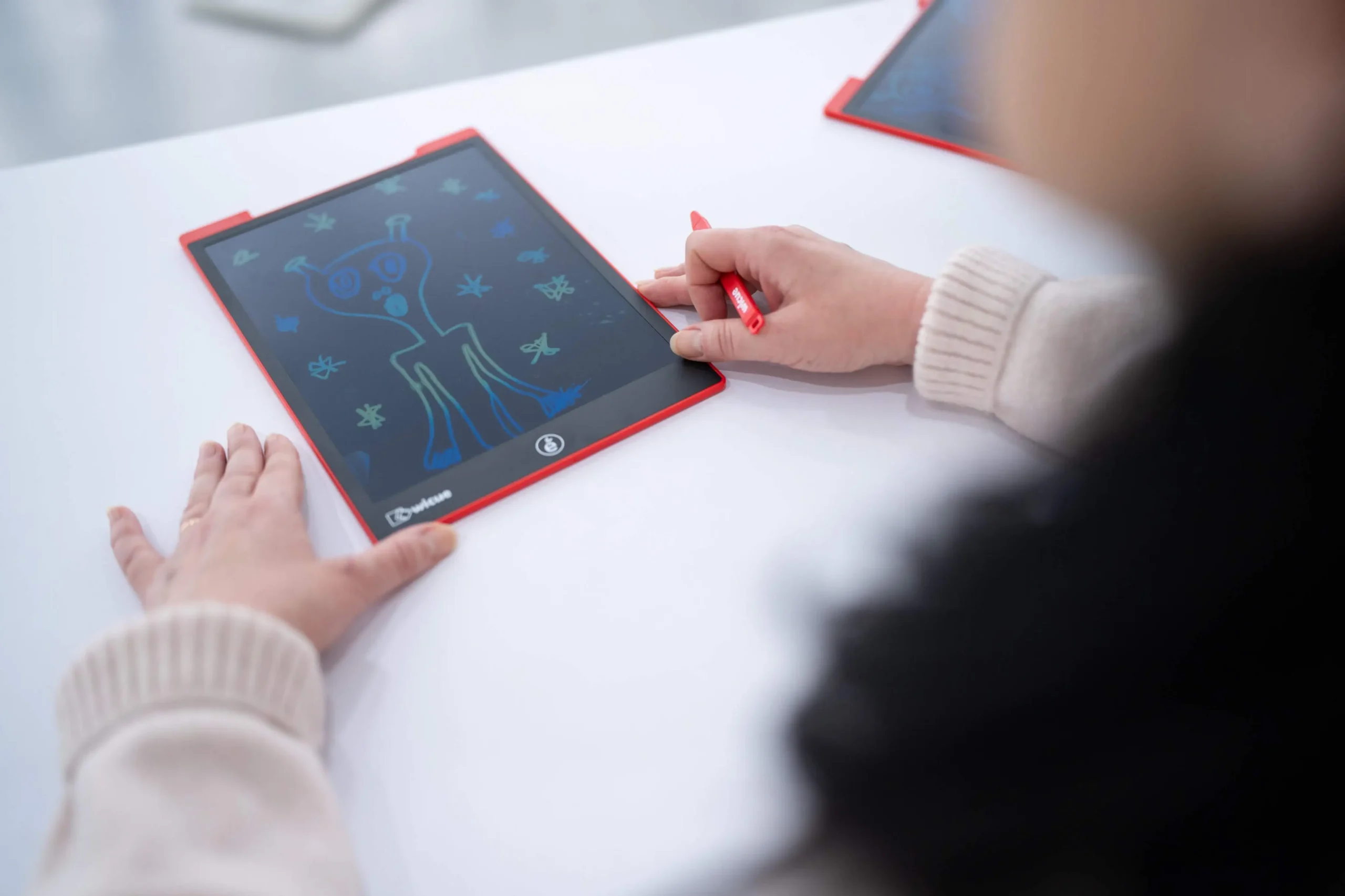
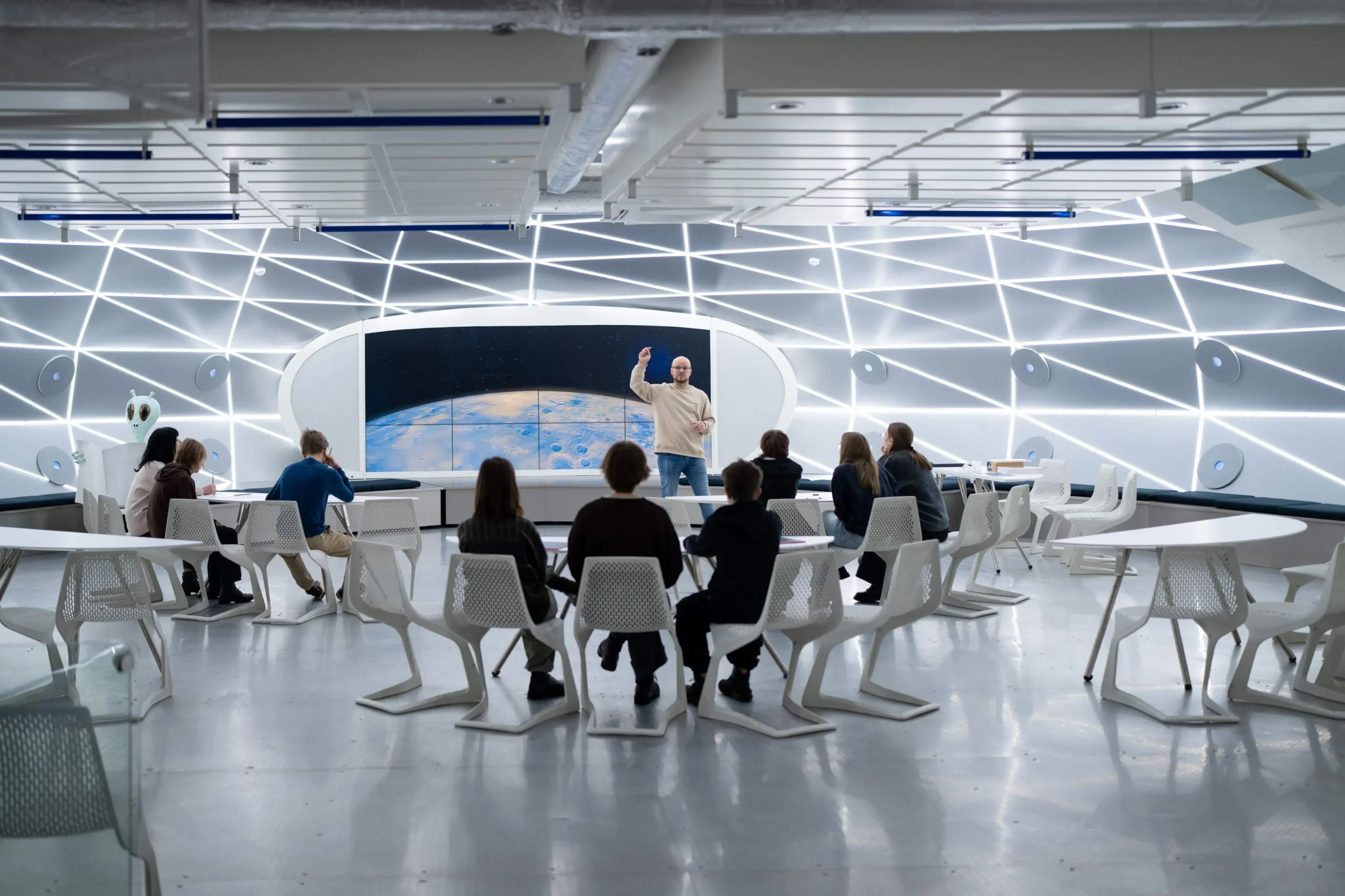
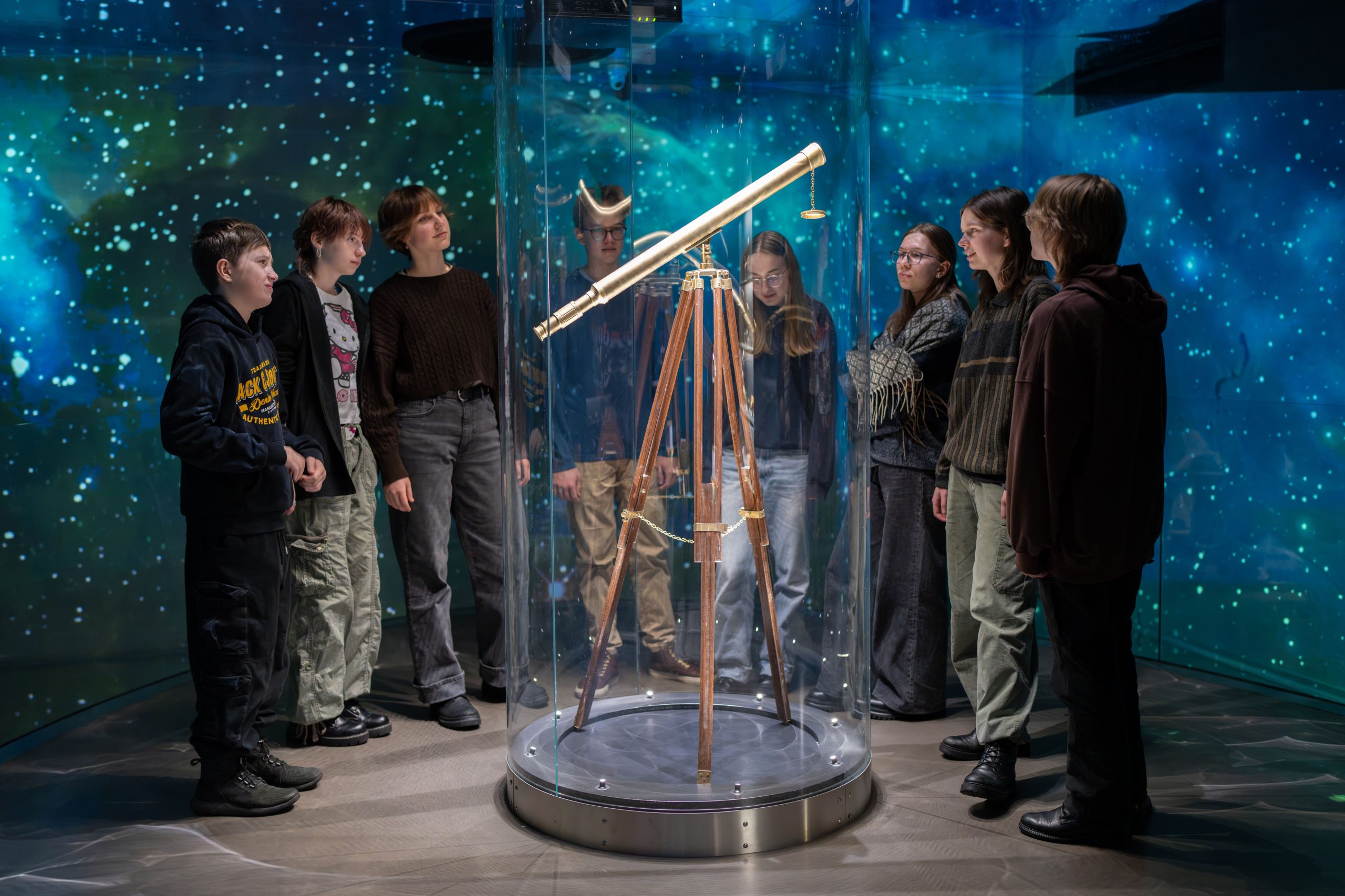
We offer a wide range of educational programmes on diverse themes, from ethnography to astrophysics. During these sessions, you can discover fascinating aspects of the Universe, the Milky Way and the Solar System, hold a real meteorite in your hands, observe sunspots and solar prominences through a telescope, explore the mysteries of light, and engage in many other exciting and meaningful activities. Educational programmes take place year-round in the museum’s learning spaces, telescope dome, and outdoor exhibition. Visitors of all ages are welcome, and our professional educators are happy to adapt activities to the needs of your group. Do your young explorers have a passion for space? There is so much here to discover! Register with your whole family or group of friends. With the guidance of our educators, 45–60 minutes will fly by—you will learn, experience, and explore. Group size: minimum 7 participants (individual visitors are combined into groups), maximum 30 participants (larger groups may be divided).
A unique opportunity to observe processes taking place on the surface of our nearest star—the Sun—using dedicated solar telescopes. Participants review the latest data from solar observation satellites and learn about solar activity cycles and aurora phenomena. Duration: 45–60 minutes. Group size: Up to 18 participants.
No events on the selected date
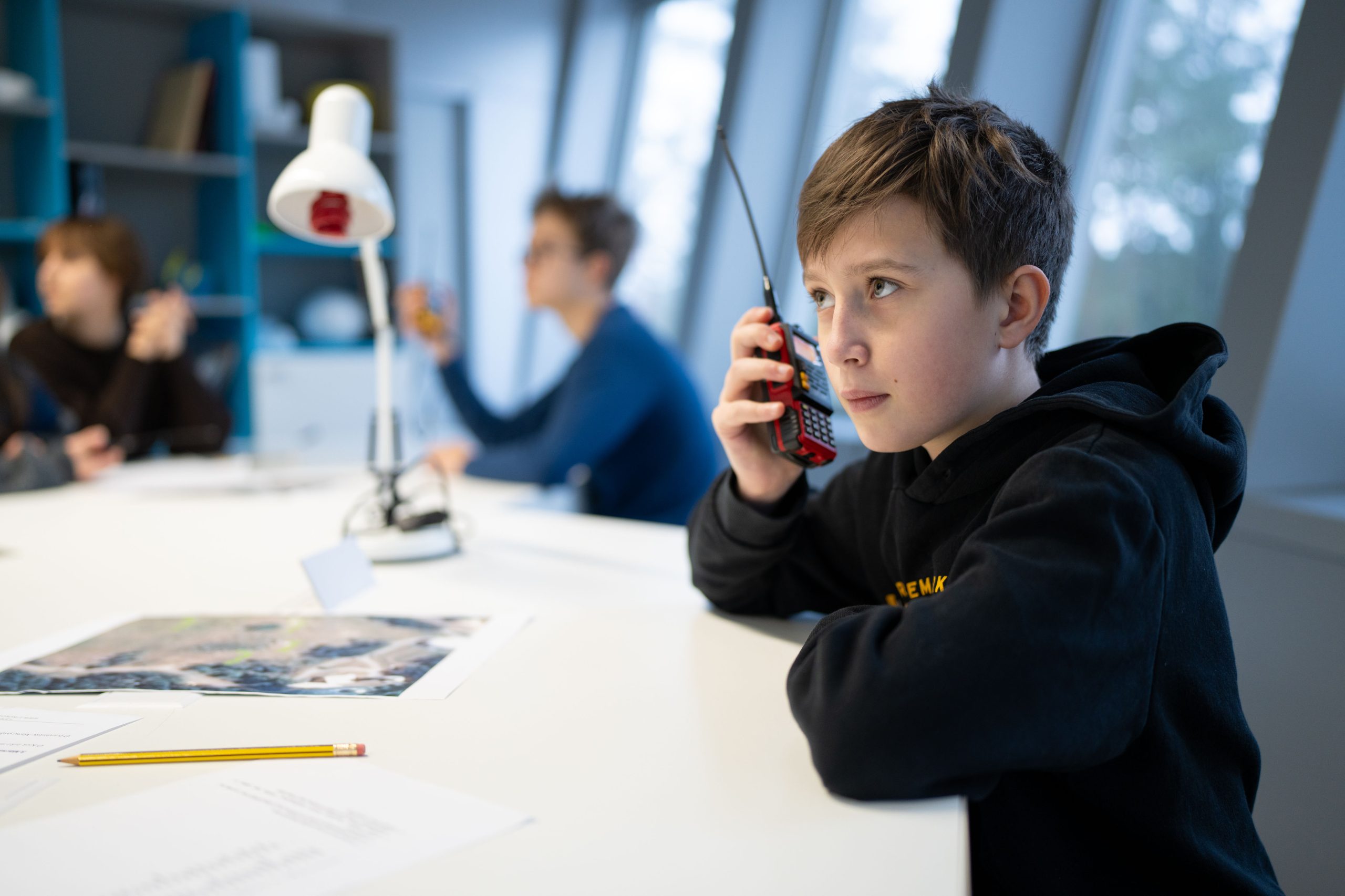
Participants learn how to communicate using radio walkie-talkies. The programme takes place both indoors and outdoors, with tasks involving the Solar System model in the museum’s outdoor exhibition. Participants are introduced to the principles of electromagnetic wave propagation and test radio communication equipment. Working in teams, “Mission Control” remains in the classroom while “astronauts” explore the outdoor exhibition to locate information, communicating via radios. The programme concludes with a group discussion and task review. Duration: 45–60 minutes. Group size: Up to 30 participants.
No events on the selected date
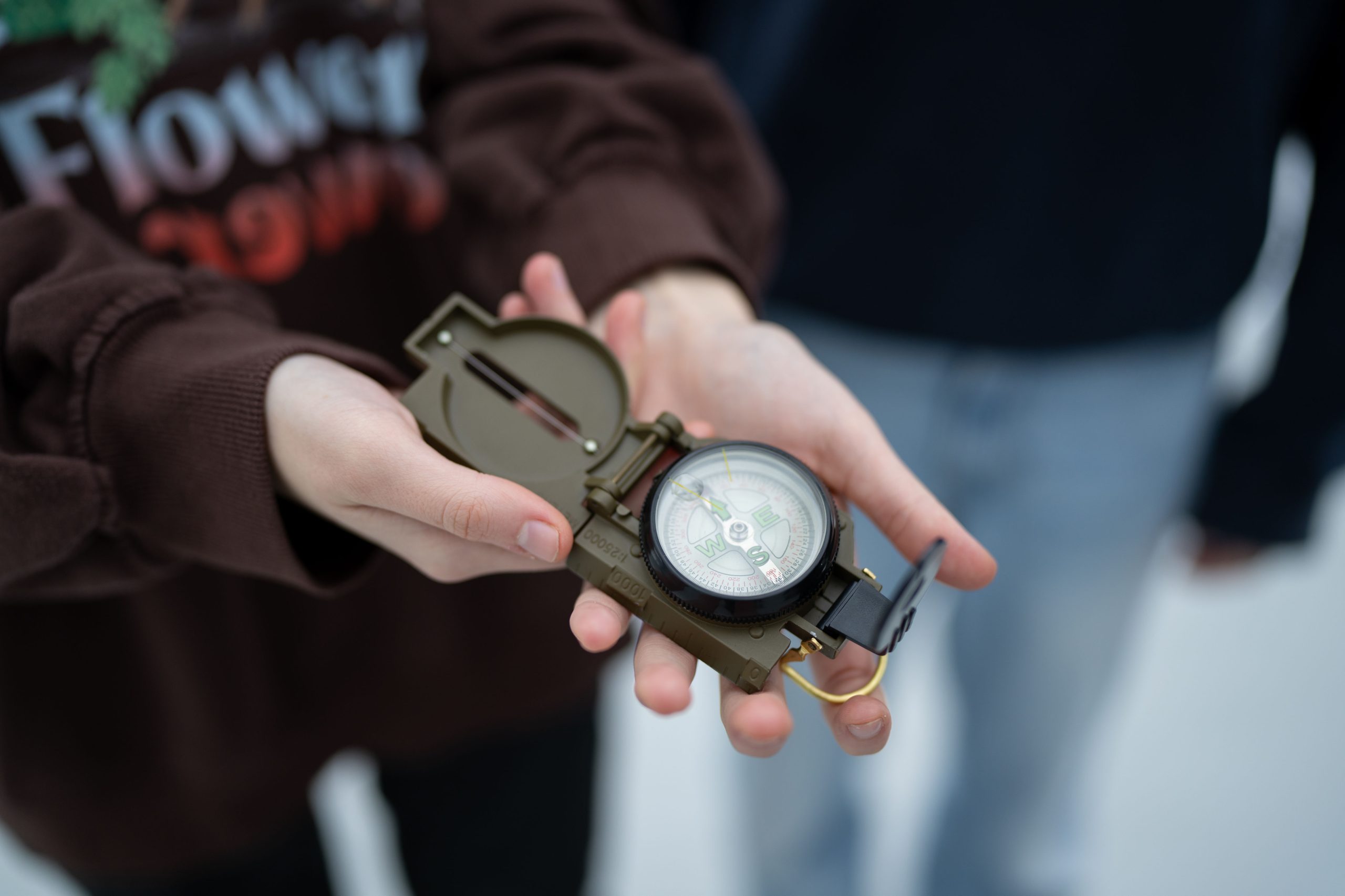
This indoor and outdoor programme introduces participants to historical and cultural navigation traditions from different countries. They learn how to orient themselves using celestial objects and how to navigate with a compass. Meteorological conditions on different planets are also explored. The programme begins at a 32-metre-high observation deck, accessible by stairs or elevator, and includes exploration of the Sun’s path and planetary models. After the theoretical introduction, participants embark on an outdoor “space journey,” navigating through a model of the Solar System using compasses. Duration: 45–60 minutes. Group size: Up to 30 participants.
No events on the selected date
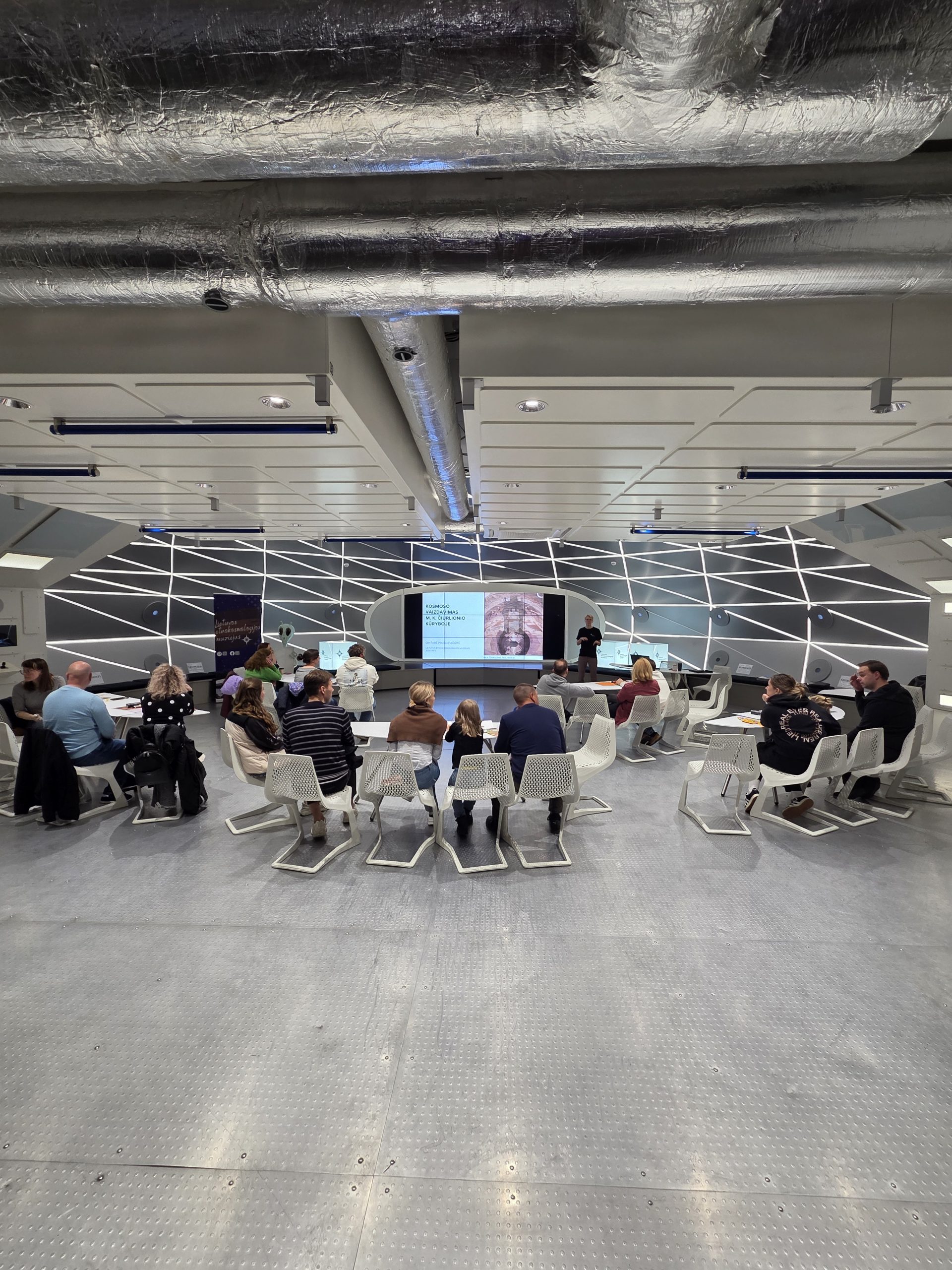
This programme introduces students to cosmic motifs in the works of M. K. Čiurlionis, representations of the Universe in global art, and objects beyond the Solar System. Using interactive terminals and visual materials, participants learn about exoplanets, space missions, challenges of space exploration, and recent discoveries. Visitors take part in quizzes and creatively design their own imagined exoplanetary systems. Duration: 45–60 minutes. Group size: Up to 30 participants.
The event is marked with a cultural pass
No events on the selected date
Visitors are introduced to the Milky Way galaxy—what galaxies are, what they are made of, and what we currently know about them. The programme explores up-to-date scientific knowledge about our Galaxy and addresses common misconceptions. Through discussions and quizzes, participants develop a deeper understanding of how to explain complex yet fascinating astronomical objects and phenomena clearly and accessibly. Duration: 45–60 minutes. Group size: Up to 30 participants.
No events on the selected date
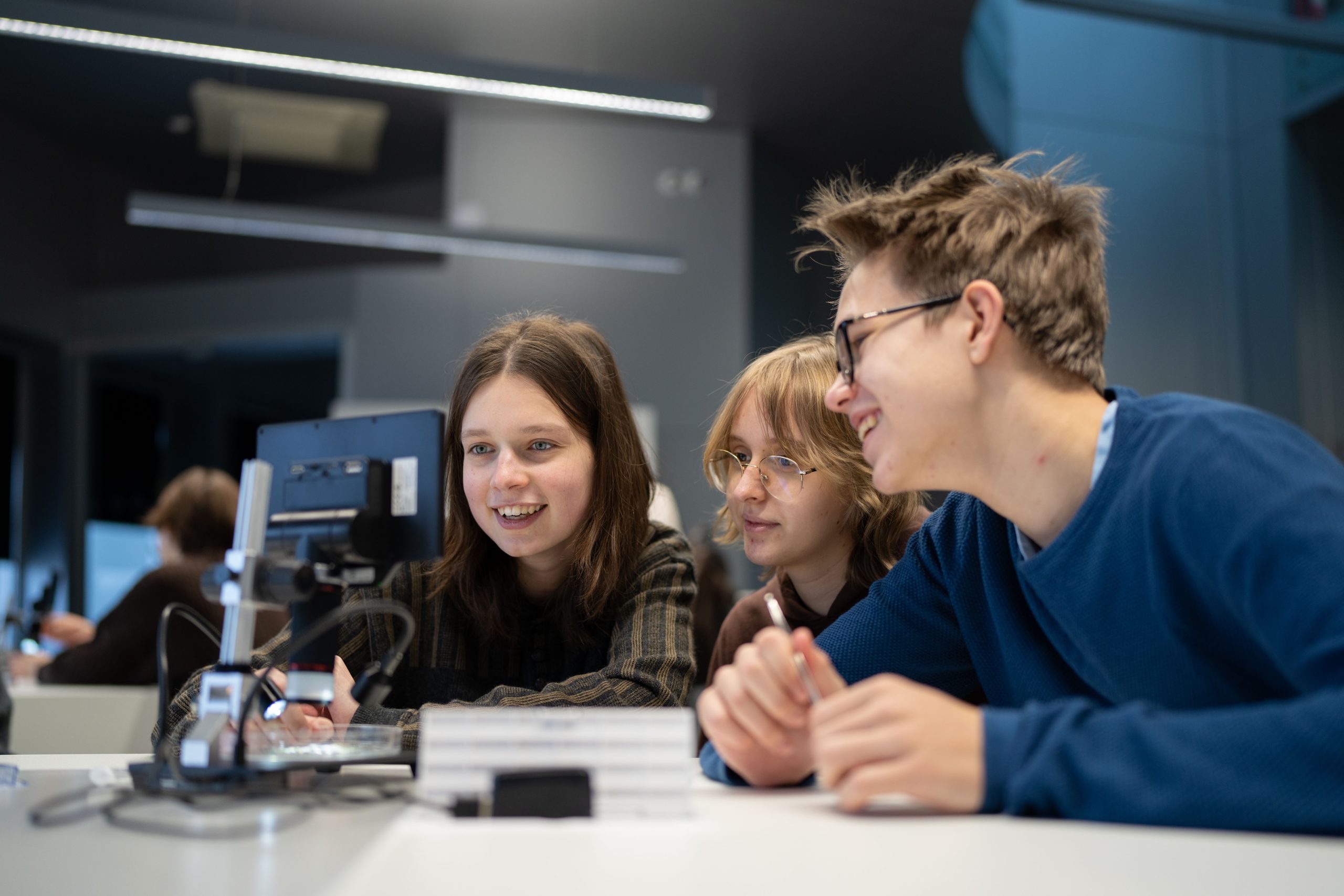
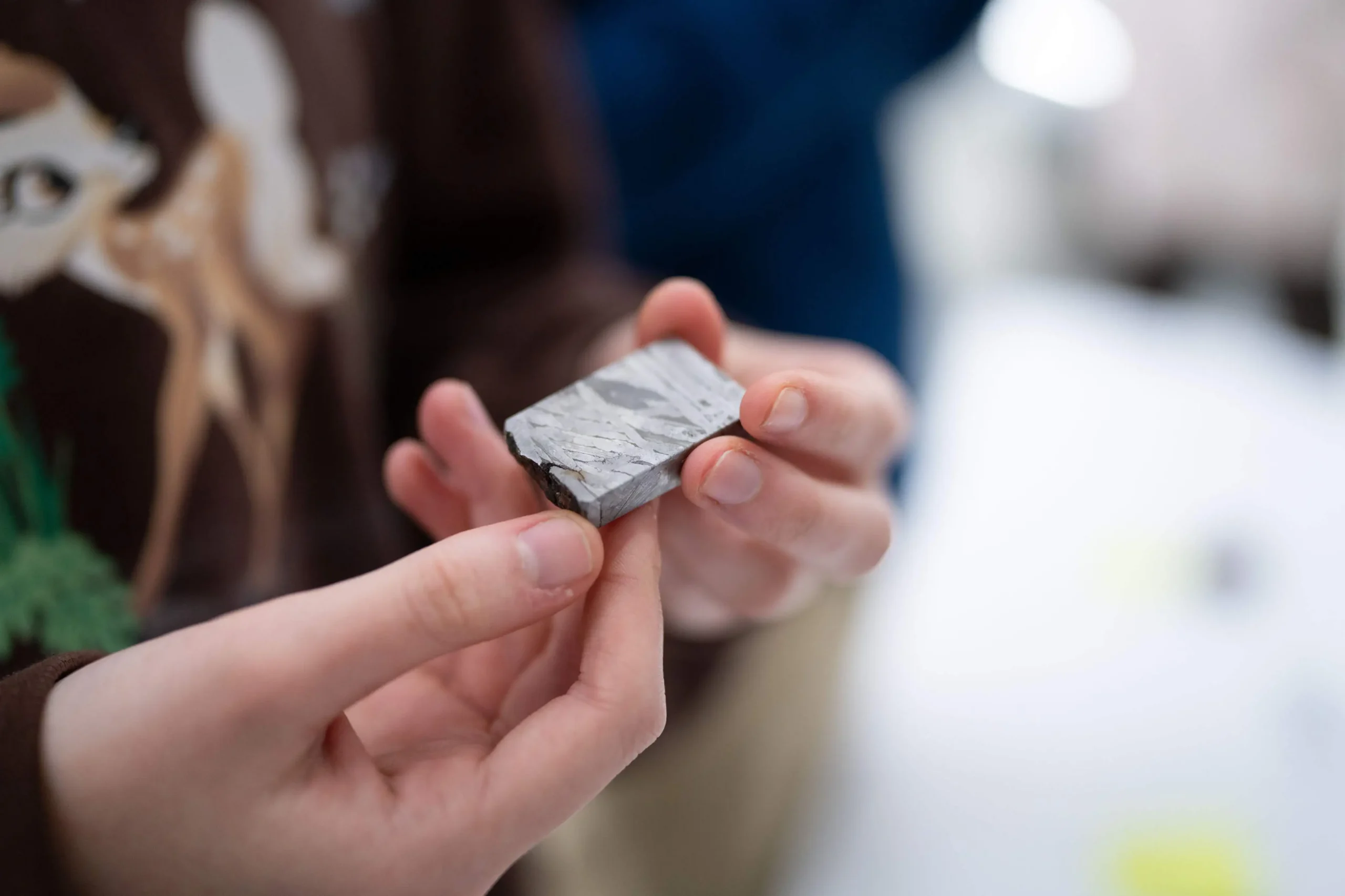
his programme aims to introduce students to meteorite classification, the processes of meteorite and micrometeorite discovery, and to practically test micrometeorite collection techniques. Participants are allowed to search for and find tiny particles from space. The programme includes information about meteorites and micrometeorites on Earth, an introduction to micrometeorite traps, and guidance on how to build one at home. Using microscopes, participants search for micrometeorites and, if successful, may take their findings with them. Duration: 45–60 minutes. Group size: Up to 30 participants.
No events on the selected date
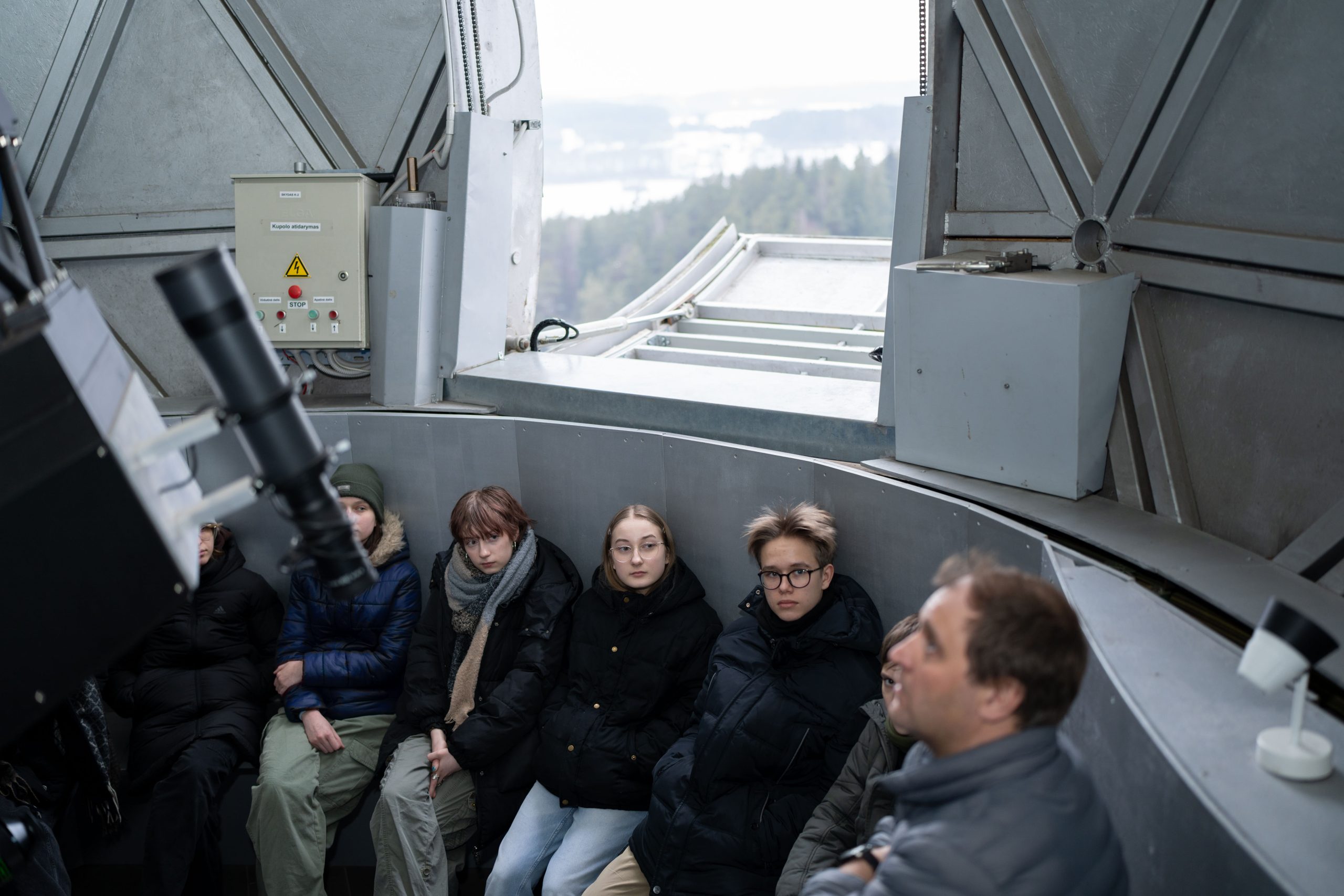
Together with the educator, participants ascend from the lobby to the tower housing a 40 cm telescope. Both night-time and solar telescopes are introduced, and participants learn how astronomers work with telescopes today, highlighting that modern astronomy no longer requires observing the sky all night long. The programme presents notable Lithuanian astronomers and their discoveries. Weather permitting, participants may help open the observatory dome themselves. The Sun, its system, and nearby objects in the Universe are introduced, followed by a discussion on the relationship between humans and space, including the possibility of extraterrestrial life. Duration: 45–60 minutes. Group size: Up to 30 participants.
No events on the selected date
Participants are introduced to the planets and dwarf planets of the Solar System through discussion and a quiz. The programme then expands beyond our Solar System to explore exoplanets—planets orbiting other stars. Current space missions and recent discoveries are presented. In a practical creative task, participants design and build their own exoplanetary system. Duration: 45–60 minutes. Group size: Up to 30 participants.
The event is marked with a cultural pass
No events on the selected date
Participants are introduced to how meteorites reach Earth and how they are classified. Together with the educator, they explore meteorites both theoretically and practically by examining real samples of different types. Participants learn which meteorites most commonly fall to Earth and discover intriguing facts about famous meteorite falls worldwide. Special attention is given to meteorites that have fallen in Lithuania. By observing real samples, participants practice distinguishing different meteorite types. Micrometeorites are also discussed—tiny space particles found in our everyday environment. Duration: 45–60 minutes. Group size: Up to 30 participants.
The event is marked with a cultural pass
No events on the selected date
Participants gather in the educational space (the “space station”). Using visual materials, the educator introduces the Solar System and presents fascinating facts about the Sun and the planets. Participants are encouraged to ask questions. The session continues with an overview of current space news, Lithuanian achievements in space science, space weather, and its impact on Earth. Various space missions, satellites, space telescopes, and observatories are presented using visual tools. Space pollution is discussed through group dialogue, highlighting the scale of space debris and its significance for Earth. Participants then explore and try out interactive educational games available in the space. Duration: 45–60 minutes. Group size: Up to 30 participants.
The event is marked with a cultural pass
No events on the selected date
Night programs

Observations of the starry sky using 40 cm and 80 cm telescopes.

Show more
Tours

Discover the museum from the inside – from the observatory tower to space stories with a guide.

Show more