You can visit it on your own at any time of the day, and there are also many lakes in the surrounding area.
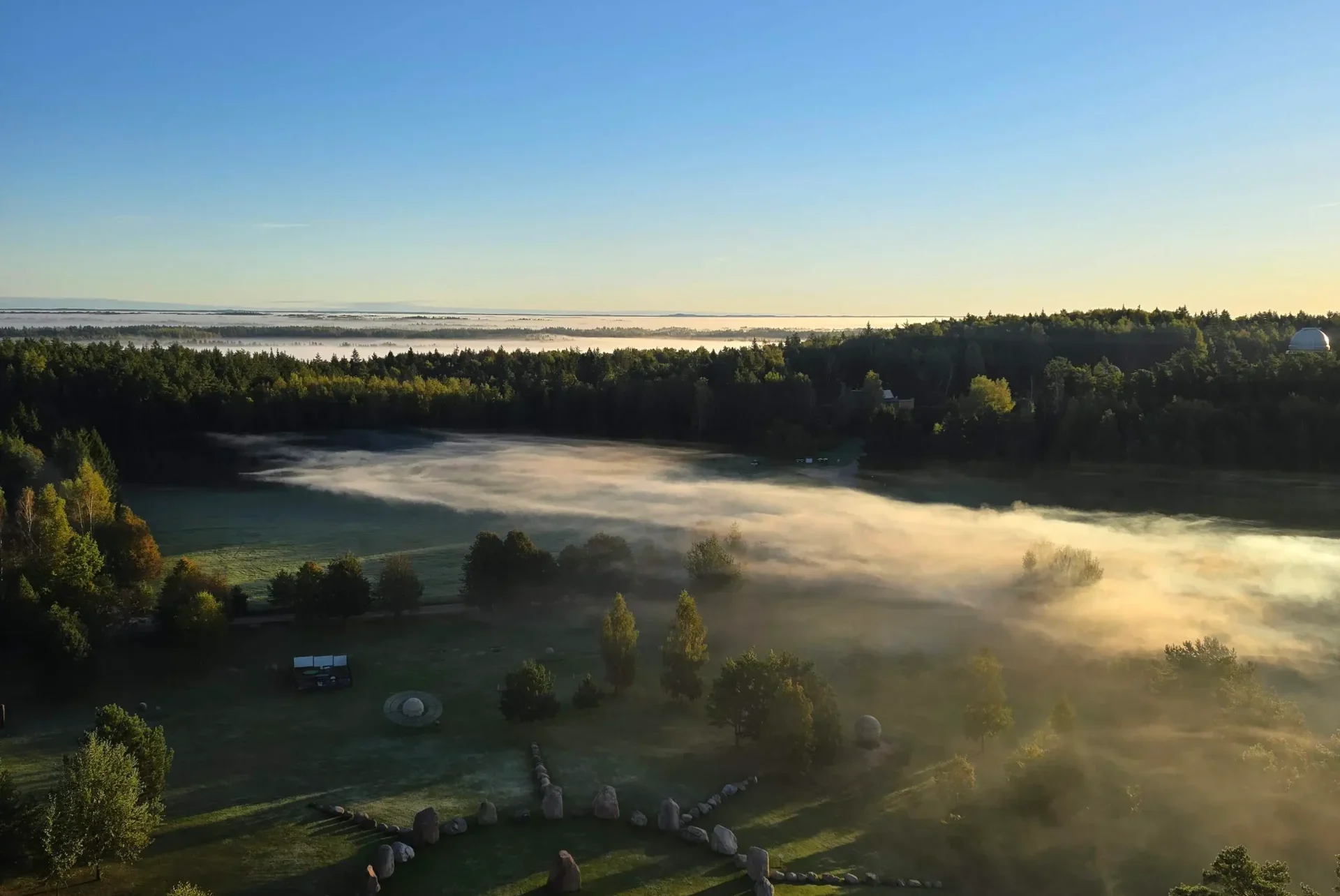
The museum’s outdoor exhibition is freely accessible to visitors at all times and can be visited even when the museum building is closed. The central feature of the outdoor exhibition is the stone circle “Lithuanian Sun.” This is the only megalithic-type calendrical stone structure in Lithuania, with a diameter of 30 metres. Sunlight indicates the cardinal directions, equinoxes, and solstices. Nearby stand a two-metre forged metal sundial and models of the planets. The stones forming the circle were brought from all regions of Lithuania.
Visitors may explore the stone circle independently, view temporary outdoor displays, and enjoy the beauty of the museum’s natural surroundings.
Separate guided tours of the outdoor exhibition are not organised.
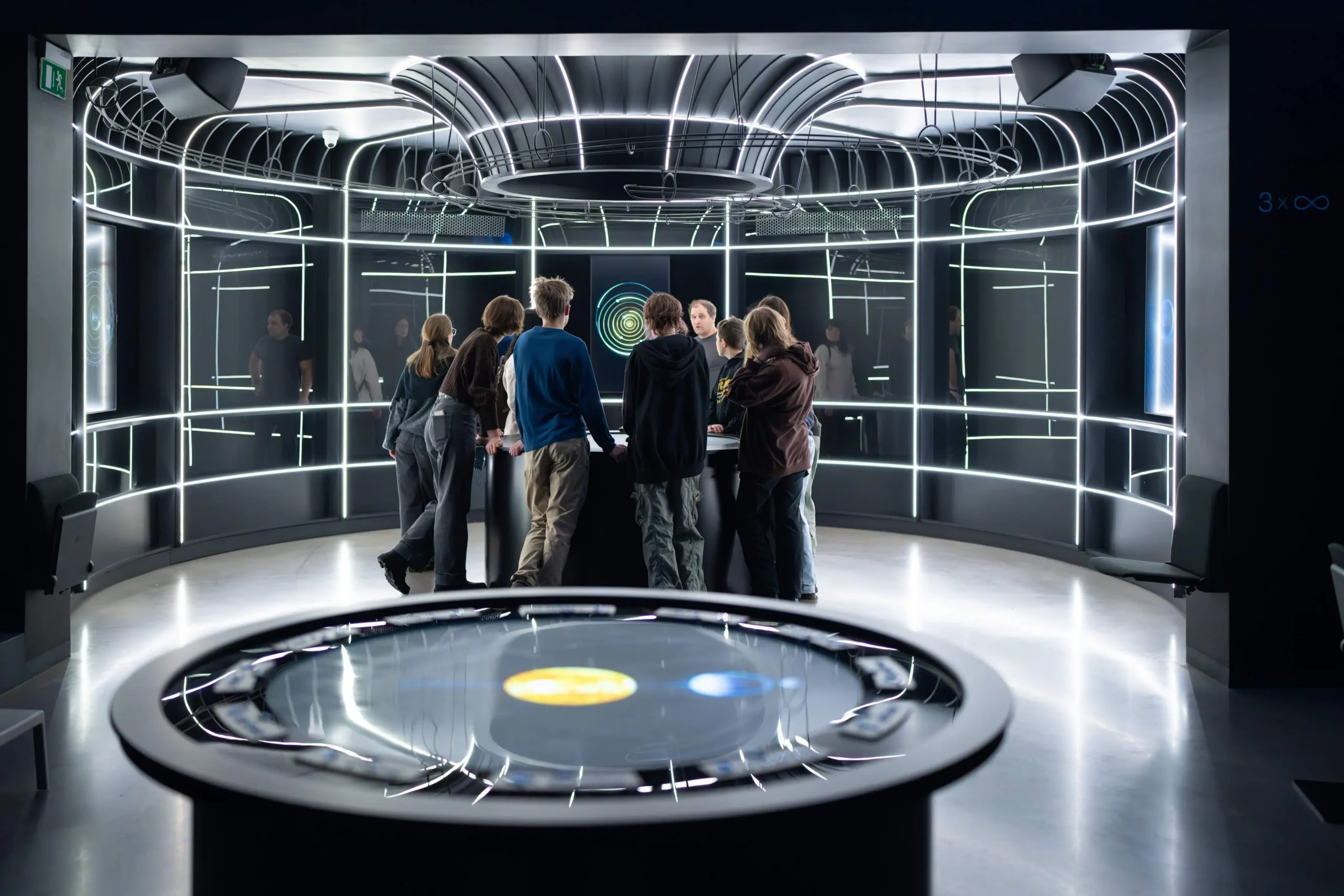
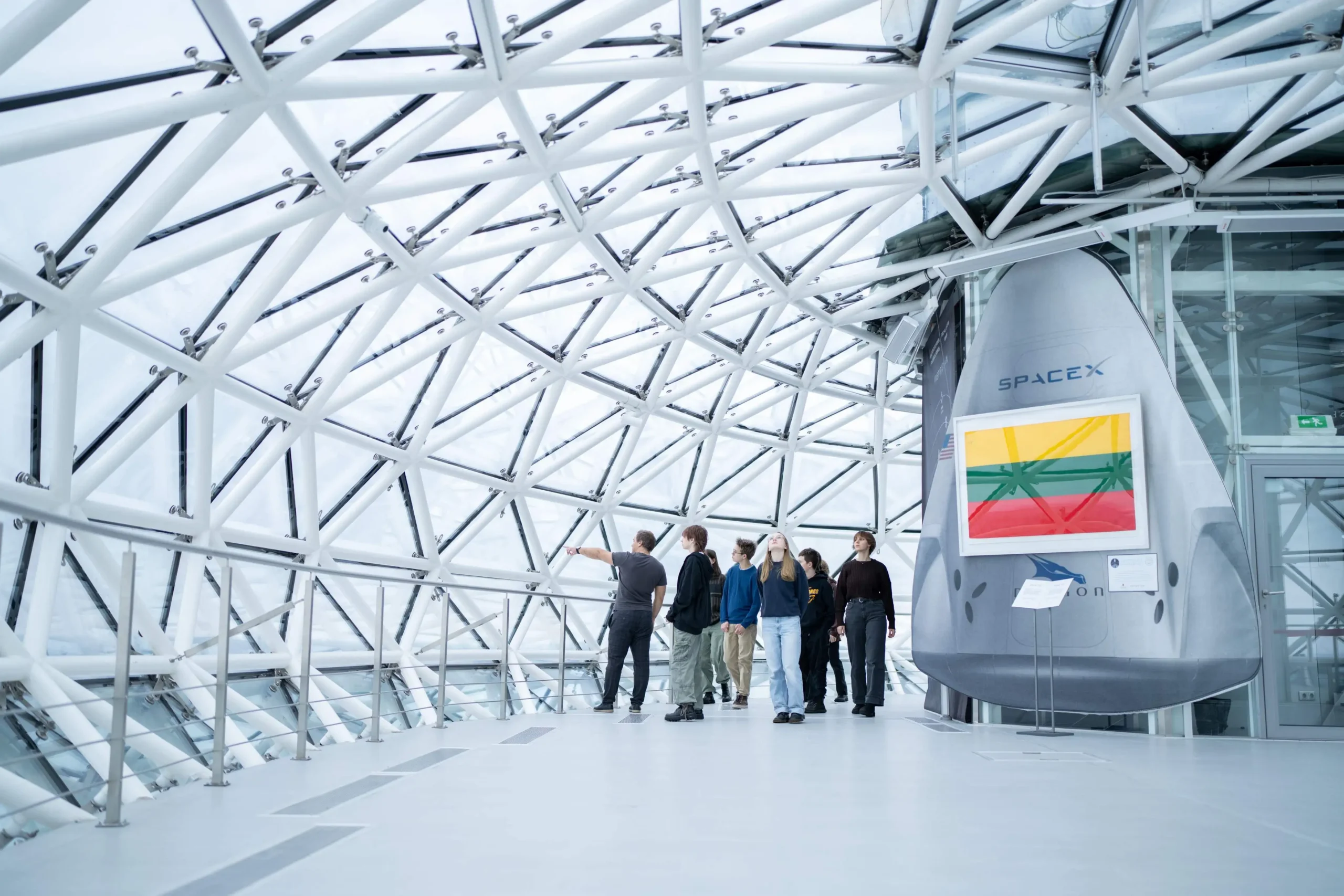
During the daytime programme (guided tour), visitors ascend through the museum’s underground gallery. Across seven exhibition spaces, different aspects of the relationship between humans, humanity, and the Cosmic World are presented: ancient cultural connections with the sky, measurements of the world, calendars, astronomy, cosmonautics, the search for extraterrestrial life, and possible futures of our civilisation. The museum exhibition is continuously updated and expanded, and experienced guides help visitors sense the uniqueness of the Museum of Ethnocosmology and the diversity of human connections with the cosmos.
During the tour, visitors encounter remarkable exhibits, including replicas of the first Lithuanian satellites LituanicaSat-1 and LitSat-1, rare meteorites, and traditional Lithuanian household artefacts. The tour also introduces astronomical research, current space developments, and Lithuanian achievements in the space sector.
The exhibition is arranged across seven separate halls, each dedicated to one of these themes. The narrative unfolds in a coherent and engaging way, offering not only introductory knowledge but also a deeper understanding of celestial objects and their significance.
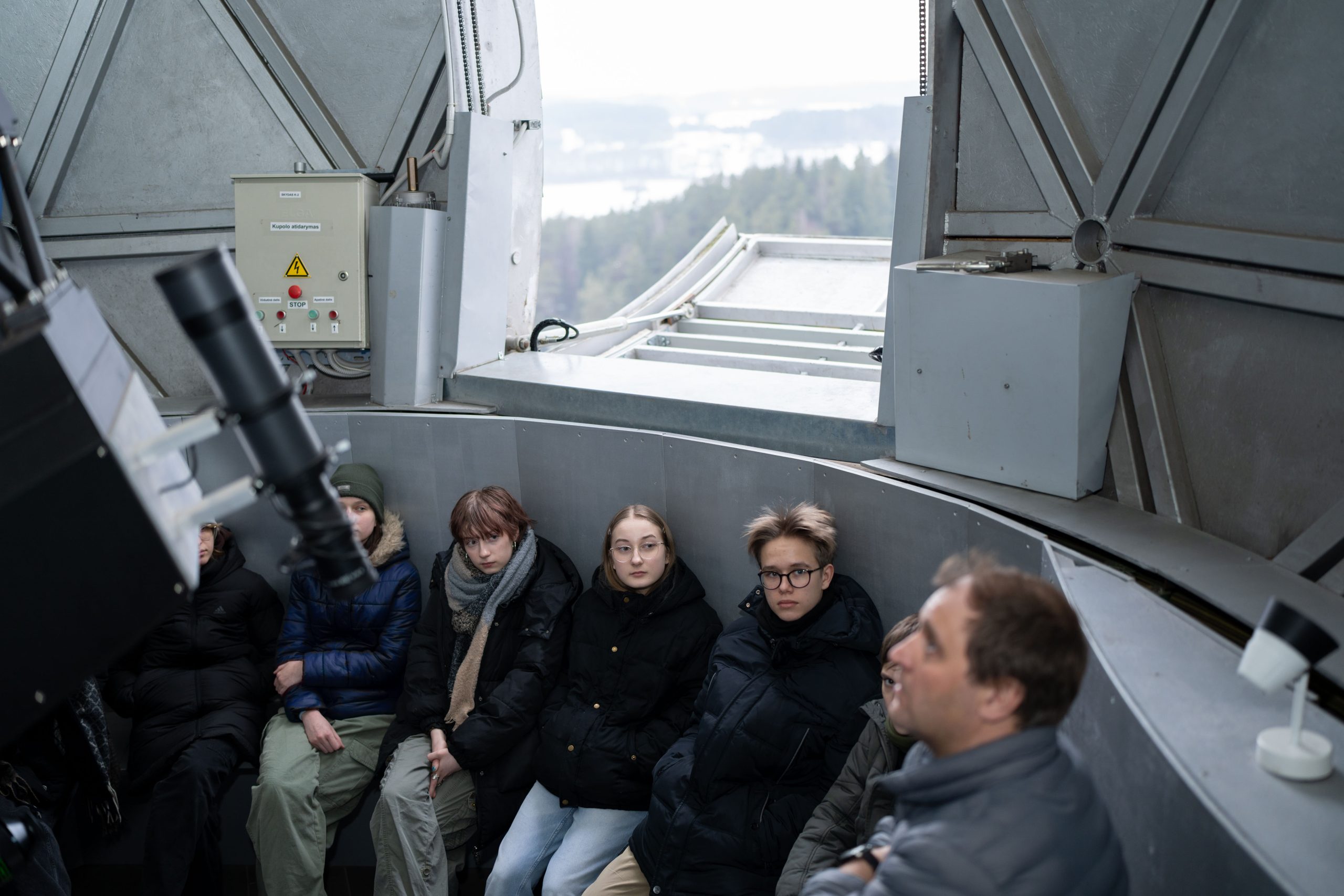
The tour also includes an ascent to the observation deck at a height of 32 metres, offering a panoramic view of Labanoras Regional Park.
Duration: up to 1.5 hoursAccessibility: The exhibition includes stairs. If stairs may be challenging for you, please contact us at +370 615 20688, and we will help find a suitable way for you to visit the museum.
All museum visits take place with a guide. We kindly ask visitors to plan their visit in advance and register, as group sizes are limited. Guided tours may be available in English and Russian upon prior arrangement. Please contact us at least a few days before your planned visit by phone +370 615 20688 or email registracija@lemuziejus.lt
English-language tours are subject to guide availability and cannot be guaranteed.
For visitors in a hurry or those who have already explored the museum several times, we offer a short visit: ascent to the museum’s observation deck at a height of 32 metres. On a clear day, it provides views extending up to 21 kilometres. From above, visitors can also observe the calendar stone circle “Lithuanian Sun” located in the museum’s outdoor exhibition area.
The surrounding landscape is hilly and forested, with an abundance of lakes. Molėtai district is home to 285 lakes, and from the 32-metre-high observation deck, you have the unique opportunity to see as many as six lakes at once.
In favourable weather conditions, you may also spot the distant hills of Aukštaitija National Park near Lake Tauragnas. On clear days, the church towers of the towns of Molėtai and Alanta can be seen on the horizon.
Duration: up to 30 minutes
Availability: ascents take place on weekdays only and are subject to availability. We recommend calling in advance at +370 615 20688 before your visit.
Access: the observation deck can be reached by stairs or elevator.
Visits to the observation deck may be arranged in English or Russian upon prior agreement; however, the availability of English-language service cannot be guaranteed.
No events on the selected date
Night programs
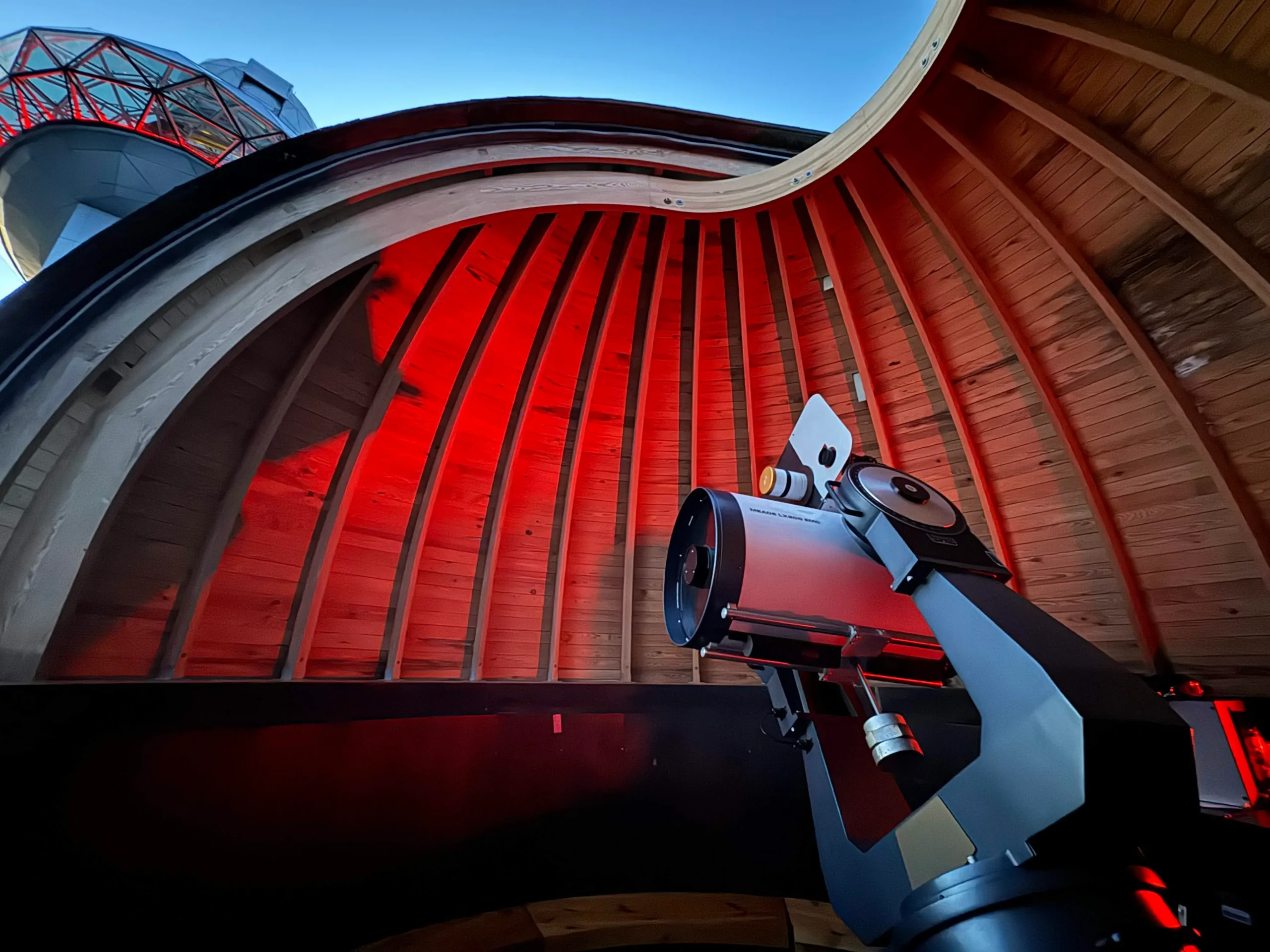
Observations of the starry sky using 40 cm and 80 cm telescopes.
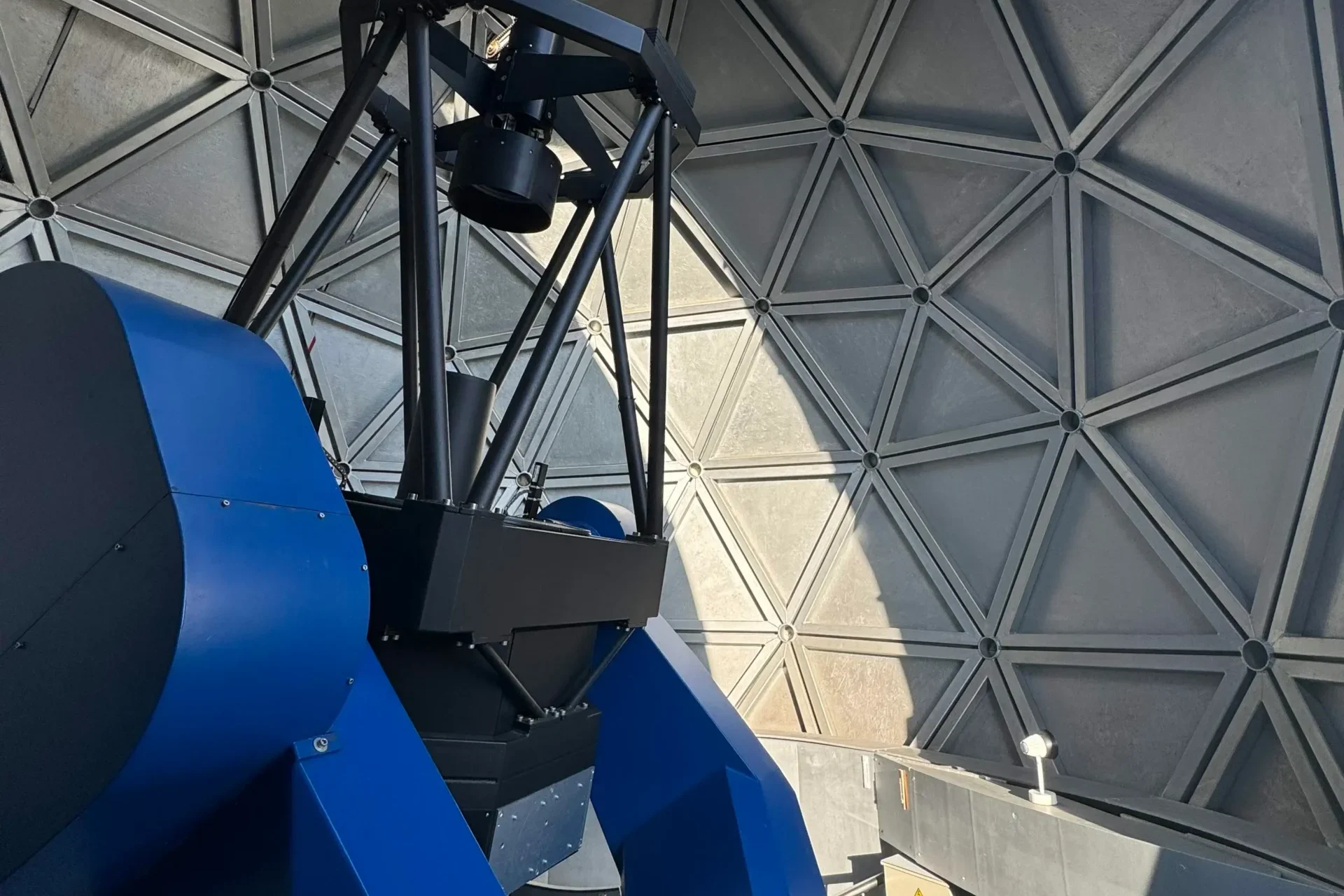
Night-time observations are among the most atmospheric and memorable experiences at the Lithuanian Museum of Ethnocosmology. Although clear skies are relatively rare, those nights when we can gaze into the depths of space with our own eyes are truly special.
It is important to note that the night sky is constantly changing; therefore, objects seen by your acquaintances or by us may not necessarily be visible on the night you choose. Observations through the museum’s 80 cm and 40 cm telescopes vary continuously, reflecting the celestial objects visible in that season and depending precisely on the hour of observation. Even so, the experience always leaves a lasting impression—or at least vivid memories of the moving observatory dome and a remarkable instrument for exploring the sky.
This is one of the largest-diameter telescopes in Europe designed for visitor observation. Its larger mirror enables brighter and more detailed views of distant cosmic objects such as galaxies.
The 80 cm telescope tower can accommodate up to 16 visitors at a time.
The tower is accessible by both elevator and stairs; however, the final section (a few metres) must be reached by stairs.
Night tours may be delivered in English upon request; however, availability cannot be guaranteed.
Night-time observations are among the most atmospheric and memorable experiences at the Lithuanian Museum of Ethnocosmology. Although clear skies are relatively rare, those nights when we can gaze into the depths of space with our own eyes are truly special.
It is important to note that the night sky is constantly changing; therefore, objects seen by your acquaintances or by us may not necessarily be visible on the night you choose. Observations through the museum’s 80 cm and 40 cm telescopes vary continuously, reflecting the celestial objects visible in that season and depending precisely on the hour of observation. Even so, the experience always leaves a lasting impression—or at least vivid memories of the moving observatory dome and a remarkable instrument for exploring the sky. The programme may be delivered in English upon request; however, availability cannot be guaranteed.
This agile telescope allows excellent views even of objects that have just risen above the horizon.
The telescope tower can accommodate up to 18 visitors at a time.
Please note that access to this telescope tower is by stairs only, as there is no elevator.
Night tours may be delivered in English upon request; however, availability cannot be guaranteed.
No events on the selected date
Educations
Interactive activities for all ages – exploring science, culture, and space live.
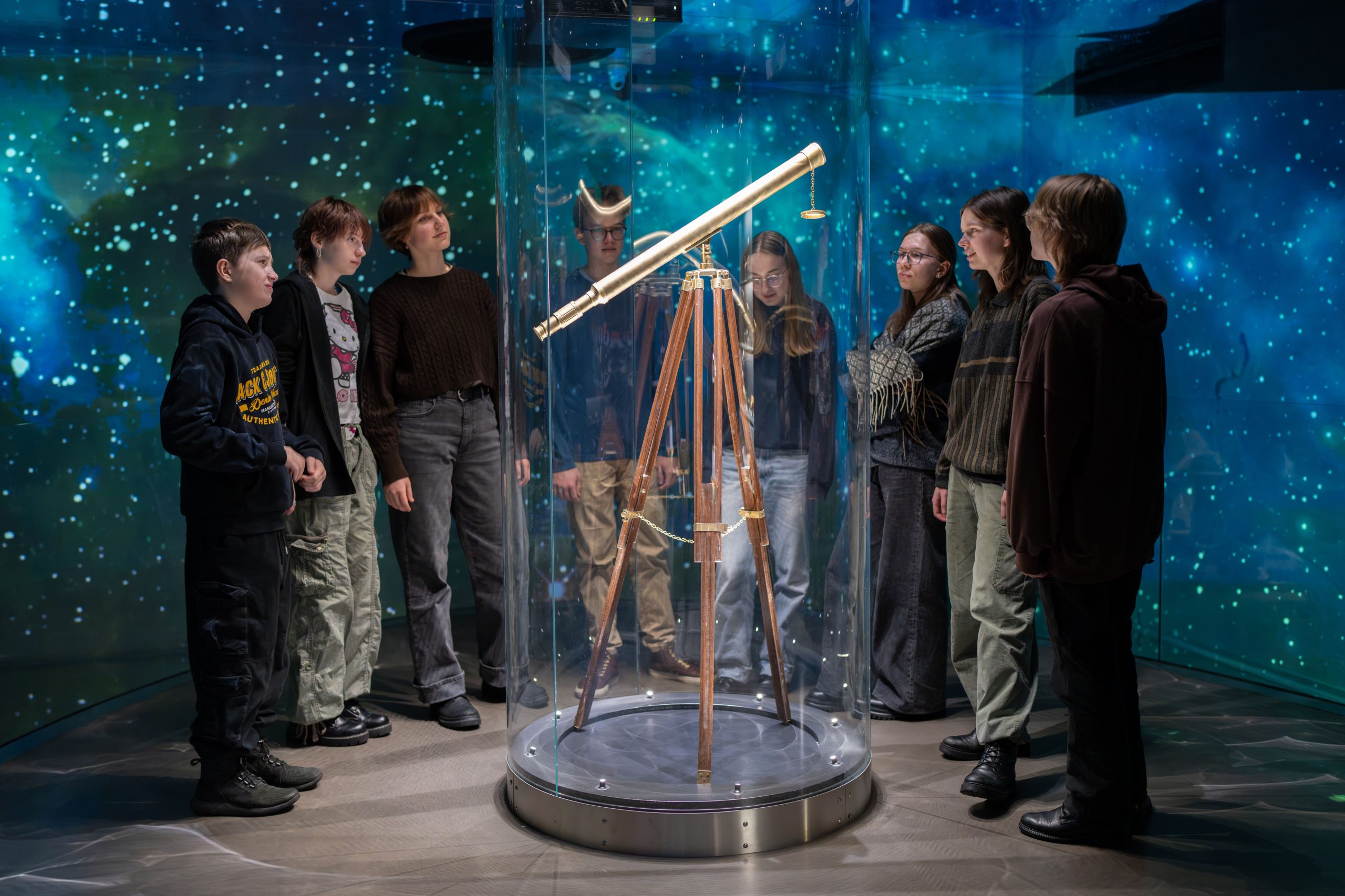
A unique opportunity to observe processes taking place on the surface of our nearest star—the Sun—using dedicated solar telescopes. Participants review the latest data from solar observation satellites and learn about solar activity cycles and aurora phenomena.
Duration: 45–60 minutes. Group size: Up to 18 participants.
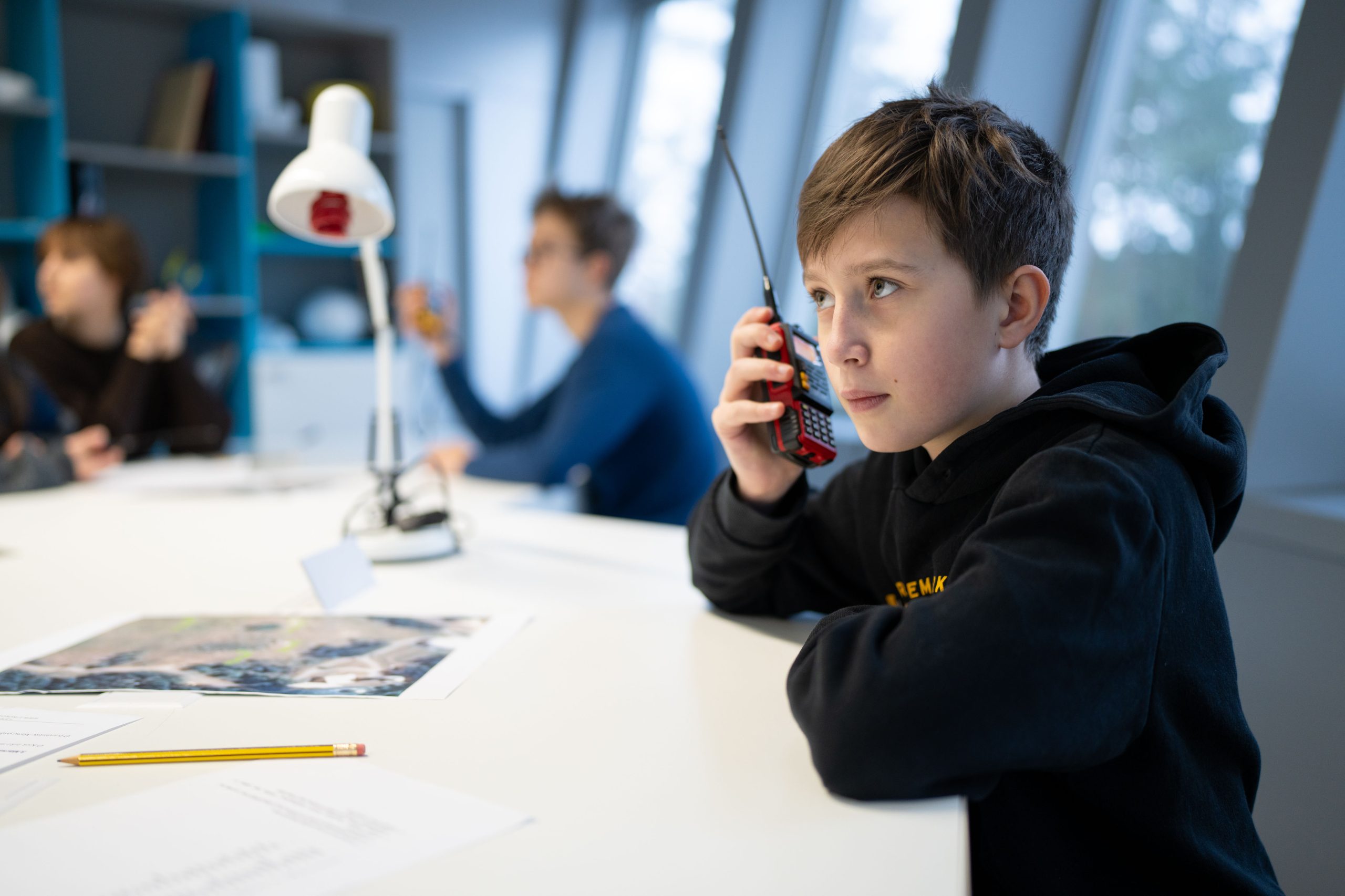
Participants learn how to communicate using radio walkie-talkies. The programme takes place both indoors and outdoors, with tasks involving the Solar System model in the museum’s outdoor exhibition. Participants are introduced to the principles of electromagnetic wave propagation and test radio communication equipment. Working in teams, “Mission Control” remains in the classroom while “astronauts” explore the outdoor exhibition to locate information, communicating via radios. The programme concludes with a group discussion and task review.
Duration: 45–60 minutes. Group size: Up to 30 participants.
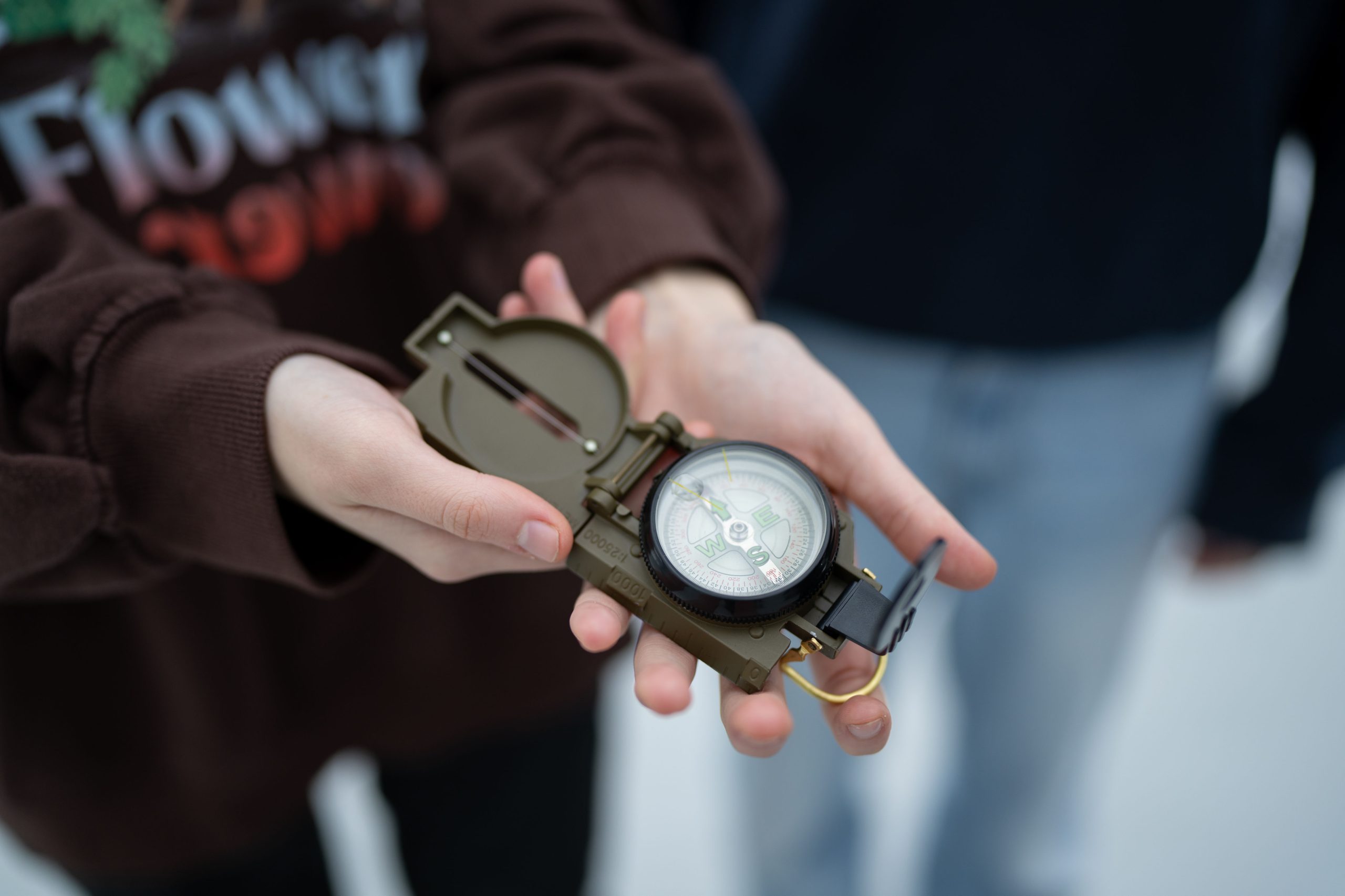
This indoor and outdoor programme introduces participants to historical and cultural navigation traditions from different countries. They learn how to orient themselves using celestial objects and how to navigate with a compass. Meteorological conditions on different planets are also explored. The programme begins at a 32-metre-high observation deck, accessible by stairs or elevator, and includes exploration of the Sun’s path and planetary models. After the theoretical introduction, participants embark on an outdoor “space journey,” navigating through a model of the Solar System using compasses.
Duration: 45–60 minutes. Group size: Up to 30 participants.
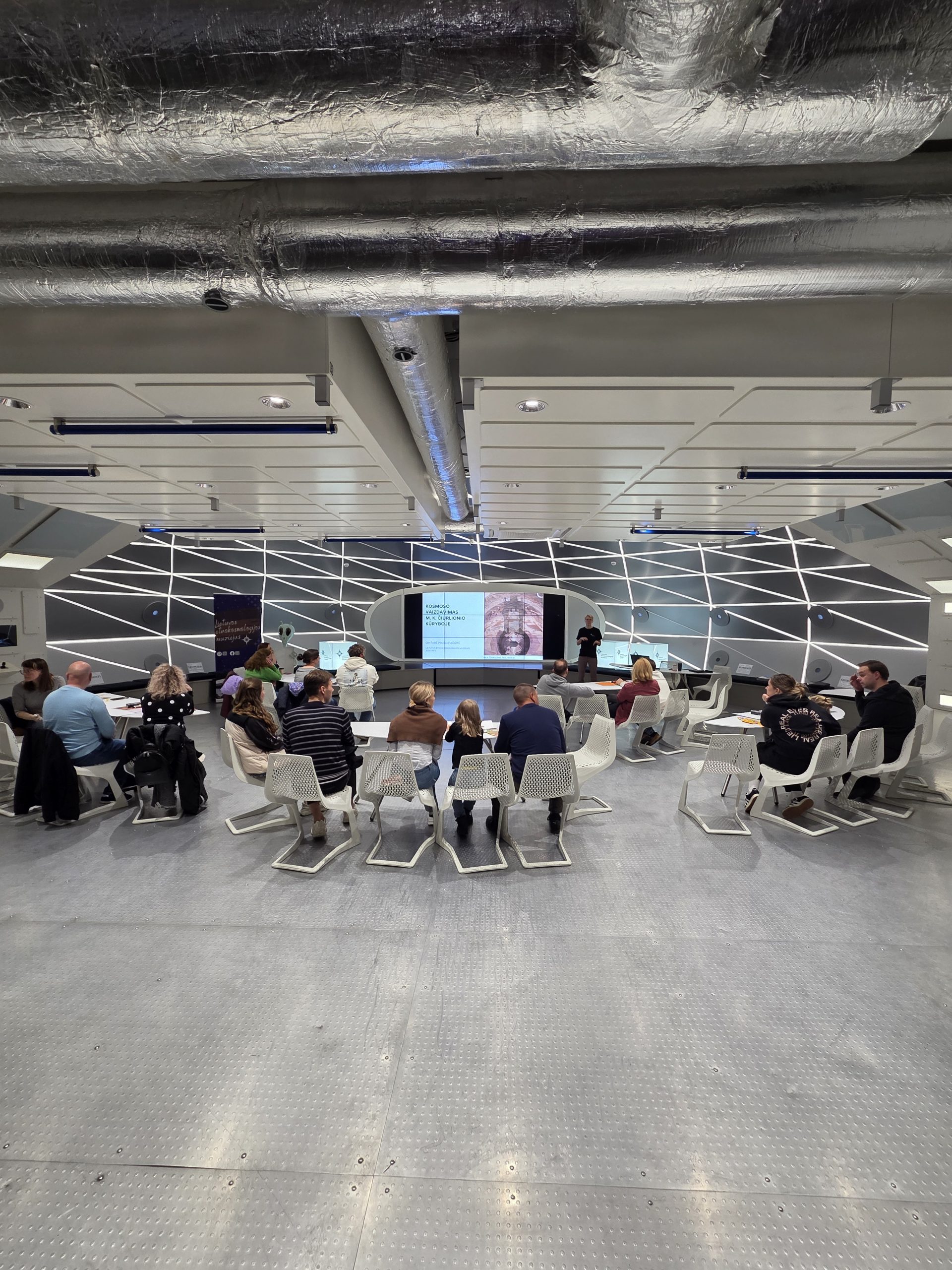
This programme introduces students to cosmic motifs in the works of M. K. Čiurlionis, representations of the Universe in global art, and objects beyond the Solar System. Using interactive terminals and visual materials, participants learn about exoplanets, space missions, challenges of space exploration, and recent discoveries. Visitors take part in quizzes and creatively design their own imagined exoplanetary systems.
Duration: 45–60 minutes. Group size: Up to 30 participants.
Visitors are introduced to the Milky Way galaxy—what galaxies are, what they are made of, and what we currently know about them. The programme explores up-to-date scientific knowledge about our Galaxy and addresses common misconceptions. Through discussions and quizzes, participants develop a deeper understanding of how to explain complex yet fascinating astronomical objects and phenomena clearly and accessibly.
Duration: 45–60 minutes. Group size: Up to 30 participants.
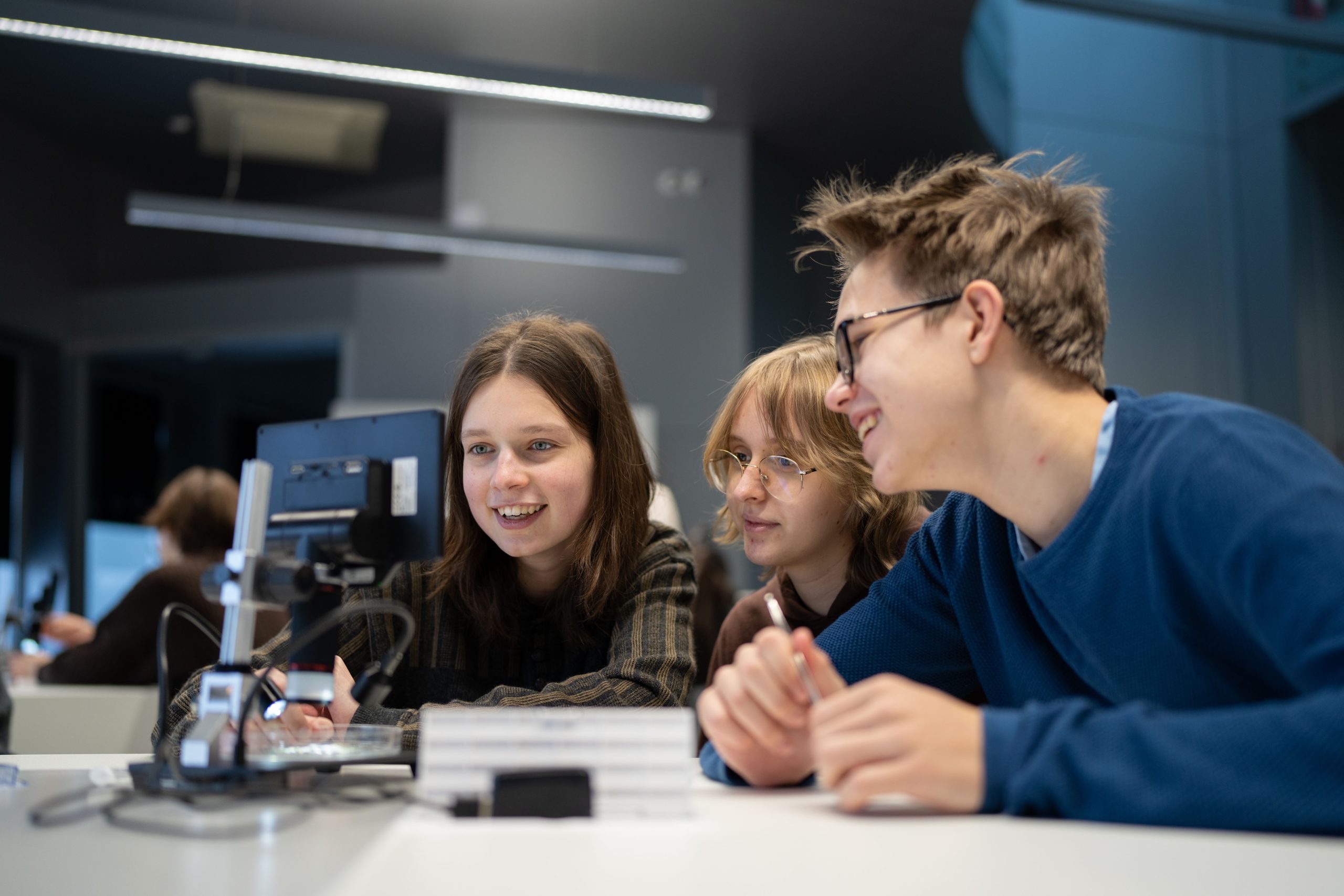
his programme aims to introduce students to meteorite classification, the processes of meteorite and micrometeorite discovery, and to practically test micrometeorite collection techniques. Participants are allowed to search for and find tiny particles from space. The programme includes information about meteorites and micrometeorites on Earth, an introduction to micrometeorite traps, and guidance on how to build one at home. Using microscopes, participants search for micrometeorites and, if successful, may take their findings with them.
Duration: 45–60 minutes. Group size: Up to 30 participants.
Together with the educator, participants ascend from the lobby to the tower housing a 40 cm telescope. Both night-time and solar telescopes are introduced, and participants learn how astronomers work with telescopes today, highlighting that modern astronomy no longer requires observing the sky all night long. The programme presents notable Lithuanian astronomers and their discoveries. Weather permitting, participants may help open the observatory dome themselves. The Sun, its system, and nearby objects in the Universe are introduced, followed by a discussion on the relationship between humans and space, including the possibility of extraterrestrial life.
Duration: 45–60 minutes. Group size: Up to 30 participants.
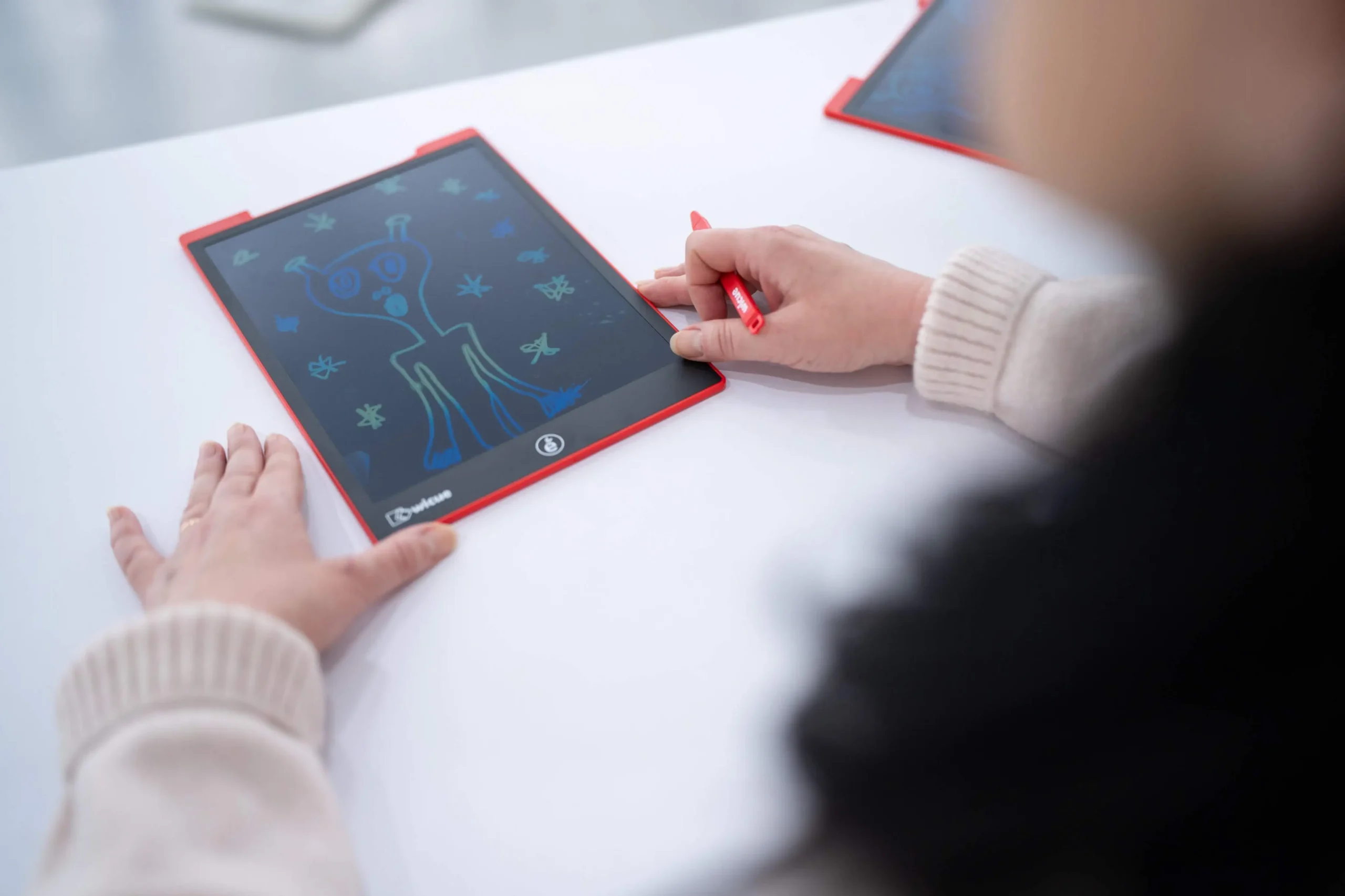
Participants are introduced to the planets and dwarf planets of the Solar System through discussion and a quiz. The programme then expands beyond our Solar System to explore exoplanets—planets orbiting other stars. Current space missions and recent discoveries are presented. In a practical creative task, participants design and build their own exoplanetary system.
Duration: 45–60 minutes. Group size: Up to 30 participants.
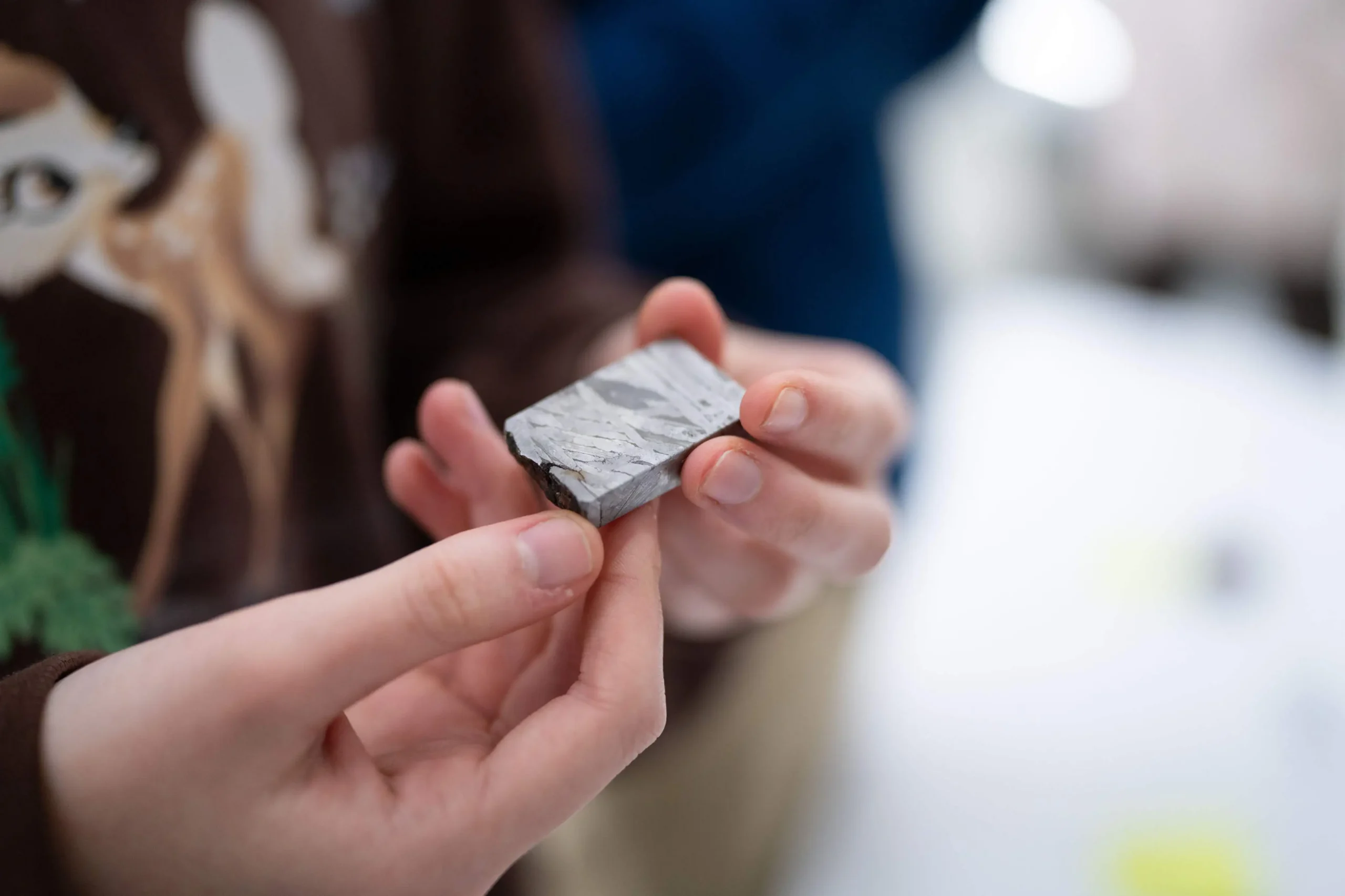
Participants are introduced to how meteorites reach Earth and how they are classified. Together with the educator, they explore meteorites both theoretically and practically by examining real samples of different types. Participants learn which meteorites most commonly fall to Earth and discover intriguing facts about famous meteorite falls worldwide.
Special attention is given to meteorites that have fallen in Lithuania. By observing real samples, participants practice distinguishing different meteorite types. Micrometeorites are also discussed—tiny space particles found in our everyday environment.
Duration: 45–60 minutes. Group size: Up to 30 participants.
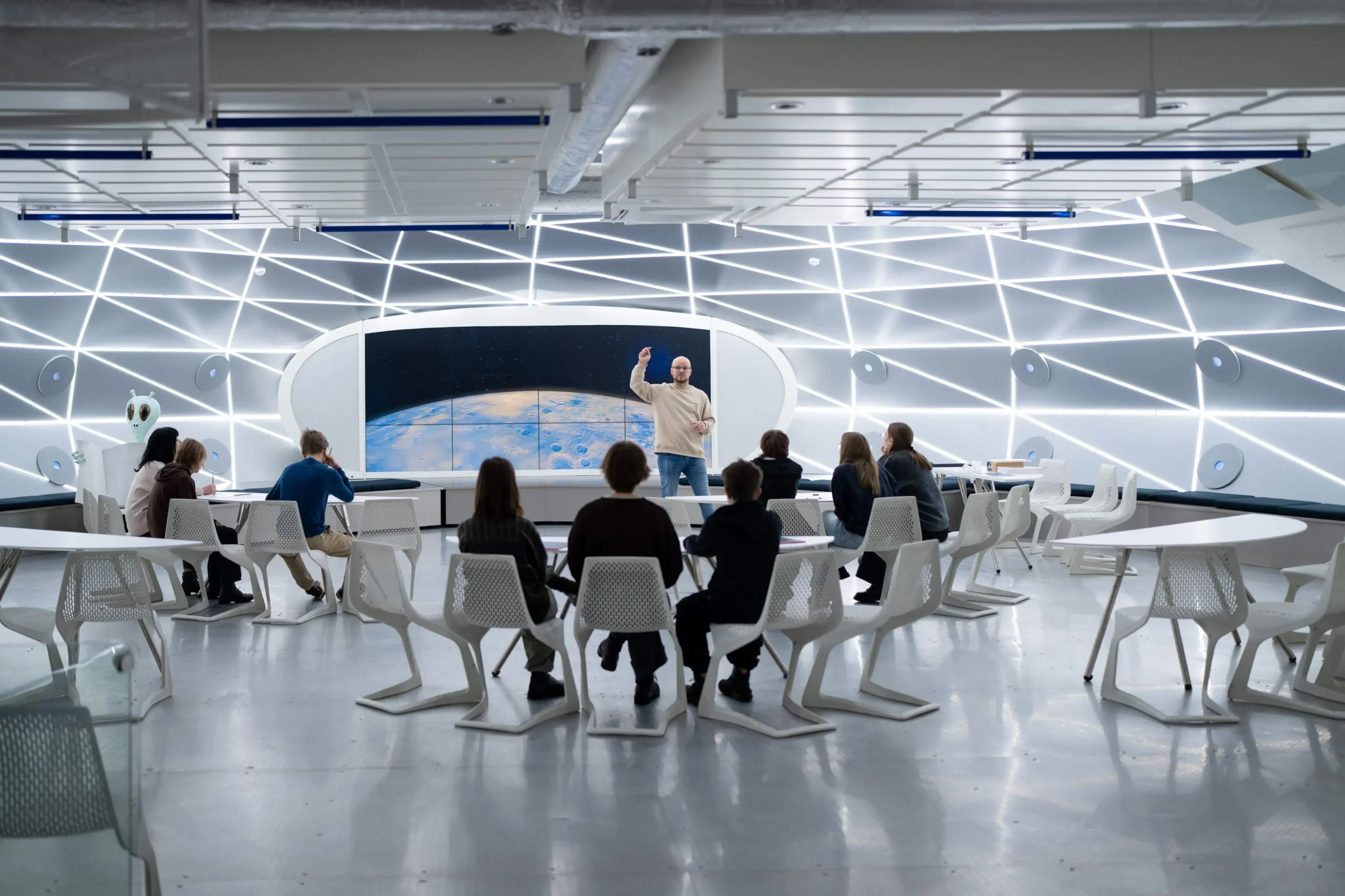
Participants gather in the educational space (the “space station”). Using visual materials, the educator introduces the Solar System and presents fascinating facts about the Sun and the planets. Participants are encouraged to ask questions. The session continues with an overview of current space news, Lithuanian achievements in space science, space weather, and its impact on Earth. Various space missions, satellites, space telescopes, and observatories are presented using visual tools. Space pollution is discussed through group dialogue, highlighting the scale of space debris and its significance for Earth. Participants then explore and try out interactive educational games available in the space.
Duration: 45–60 minutes. Group size: Up to 30 participants.
This website uses cookies. In order to ensure the best browsing experience for you, we use cookies on this website. To agree, click the „Allow All“ button or you can change your settings by clicking the „Change Preferences“ button.