What Does an Astronomer Do at the Telescope?

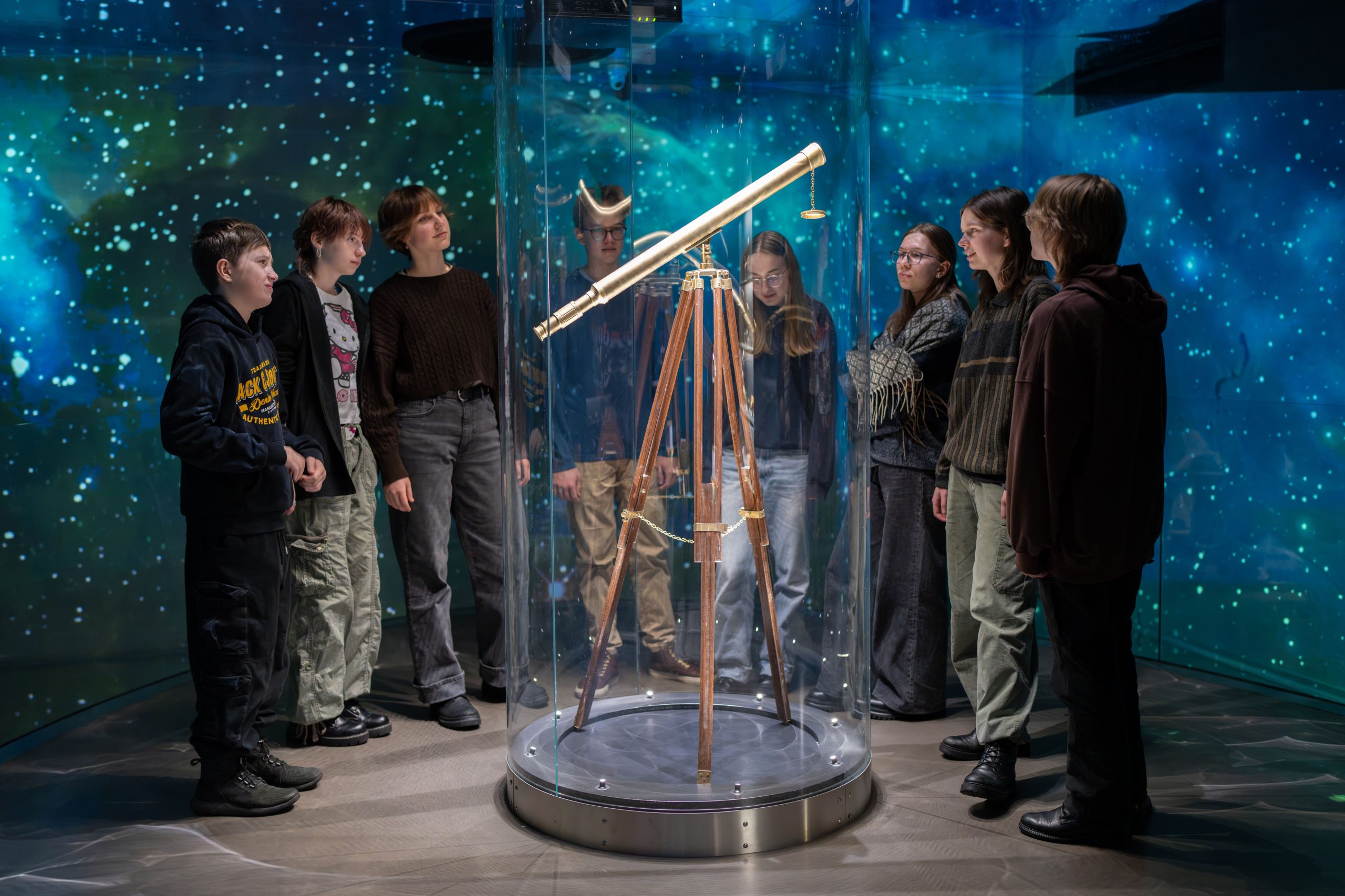
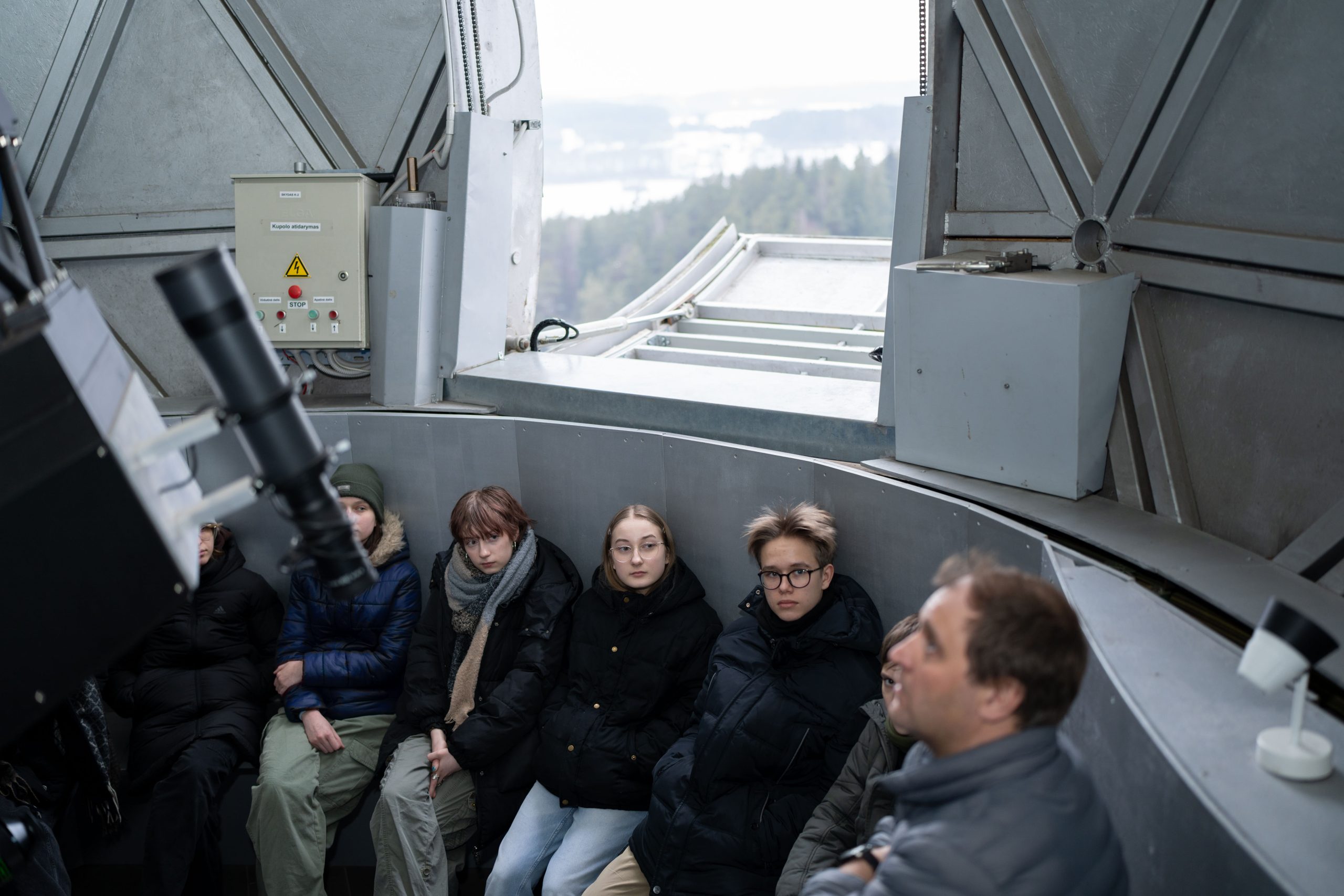
Together with the educator, participants ascend from the lobby to the tower housing a 40 cm telescope. Both night-time and solar telescopes are introduced, and participants learn how astronomers work with telescopes today, highlighting that modern astronomy no longer requires observing the sky all night long. The programme presents notable Lithuanian astronomers and their discoveries. Weather permitting, participants may help open the observatory dome themselves. The Sun, its system, and nearby objects in the Universe are introduced, followed by a discussion on the relationship between humans and space, including the possibility of extraterrestrial life.

Duration: 45–60 minutes. Group size: Up to 30 participants.
Select a timeslot

2026 March 30 - 5 d.
30
M
31
T
1
W
2
T
3
F
4
S
5
S
Language (2)
Participants
This day is calm in the cosmos – please choose another date.

You might also like

No events on the selected date
A unique opportunity to observe processes taking place on the surface of our nearest star—the Sun—using dedicated solar telescopes. Participants review the latest data from solar observation satellites and learn about solar activity cycles and aurora phenomena. Duration: 45–60 minutes. Group size: Up to 18 participants.
No events on the selected date
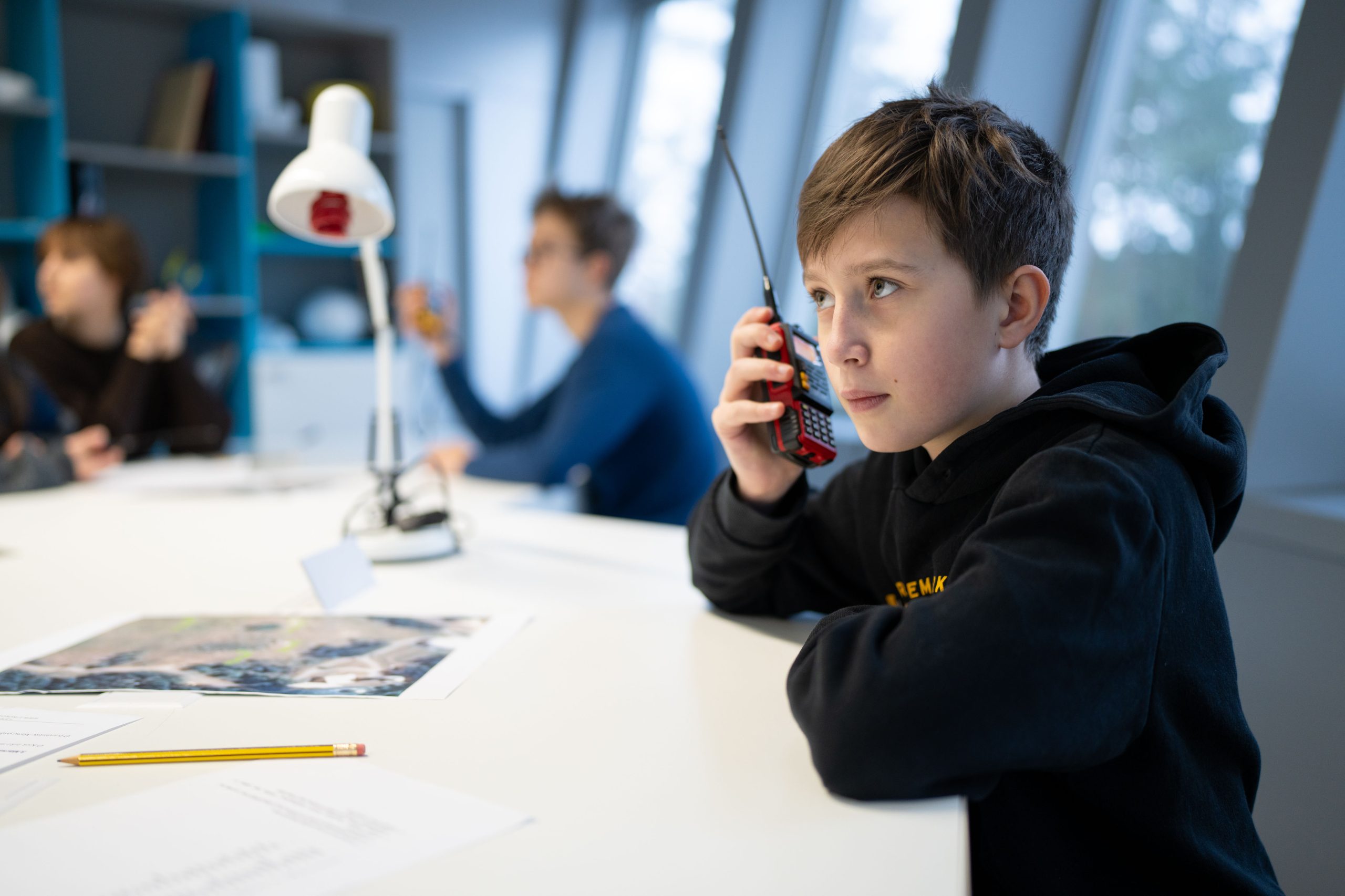
Participants learn how to communicate using radio walkie-talkies. The programme takes place both indoors and outdoors, with tasks involving the Solar System model in the museum’s outdoor exhibition. Participants are introduced to the principles of electromagnetic wave propagation and test radio communication equipment. Working in teams, “Mission Control” remains in the classroom while “astronauts” explore the outdoor exhibition to locate information, communicating via radios. The programme concludes with a group discussion and task review. Duration: 45–60 minutes. Group size: Up to 30 participants.

No events on the selected date